Small Botanical Details in Poddolls: Seeds, Shells, and Natural Craft Accents
-
- Post Date: 08 Jul, 2026

Poddolls Material Guide
Small Botanical Details in Poddolls: Seeds, Shells, and Natural Craft Accents
This guide explains how botanical details in Poddolls can support character, texture, expression, and handmade design without turning the article into a gardening or plant seed guide.
Opening Story
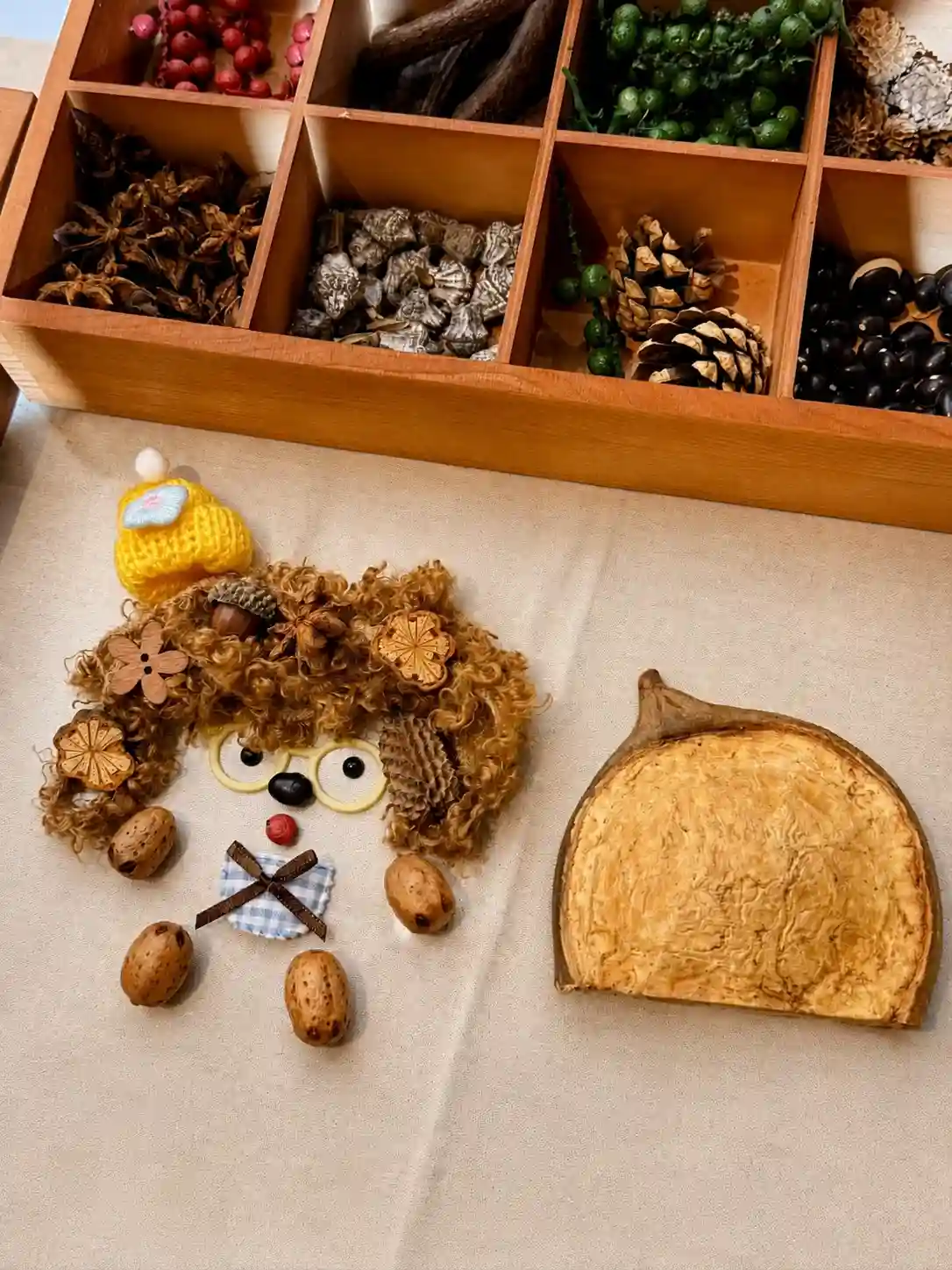
On a Poddolls worktable, the largest shape usually gets noticed first: the natural seed pod shell. It gives the character its body, posture, opening, and first little sense of personality. Around that shell, botanical details in Poddolls can add smaller moments of texture, balance, and expression.
But the smaller pieces matter too.
A tiny dried pod may become a hat-like accent. A rough botanical shell may add woodland texture. A small seed-like form may suggest a button, a mark, or a quiet detail near the face. These pieces are not chosen because they are rare or magical. They are chosen because their shapes, textures, colors, and natural irregularities can help a small handmade character feel more alive.
This is where Poddolls move beyond the main pod shell. The character begins with a natural body, but small botanical details help decide how it finally feels.
See how those pieces are compared beside shells and fabrics on the Poddolls worktable.
For a closer look at the earlier shell-and-hair decisions behind that direction, see seed pod character design.
Quick Answer
Poddolls are mainly made from treated natural seed pod shells, but some characters may also use or study small plant seeds, dried pods, nut-like shells, acorn-like caps, and botanical pieces as natural craft accents. These materials are selected for shape, texture, color, balance, and character expression, not for planting, eating, medicine, or gardening.
For a broader overview of the main material, see what Pod Dolls are made of. For the full making process, visit How Pod Dolls Are Made.
Botanical Reference Notes from Wikipedia
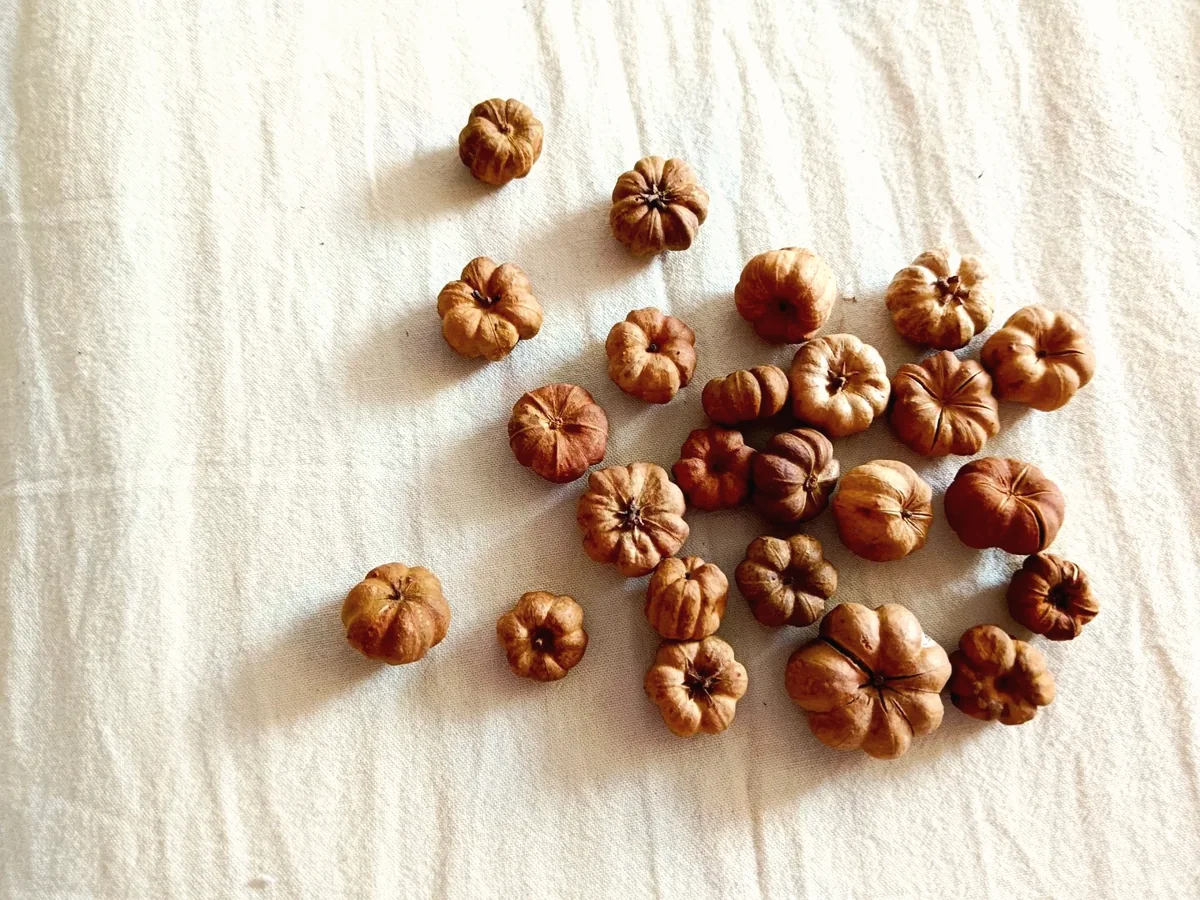
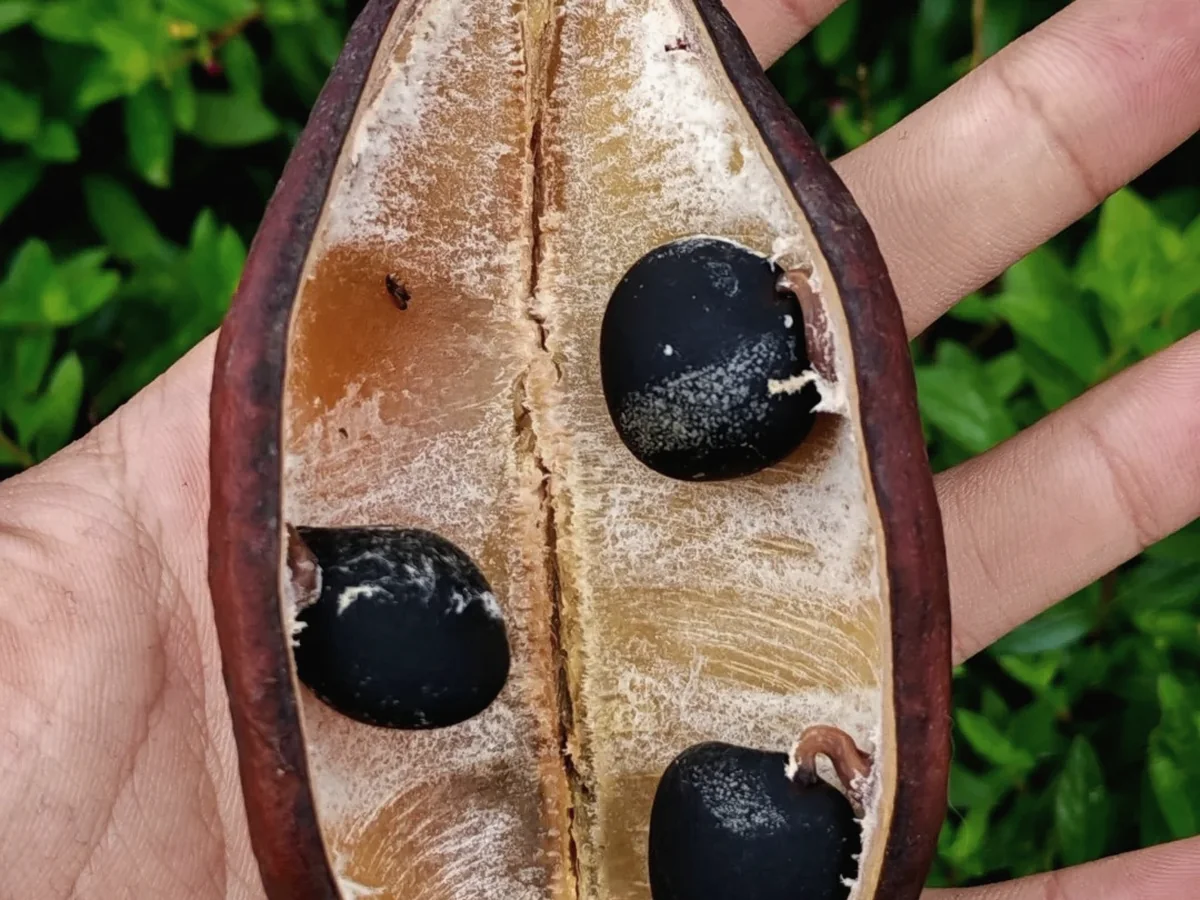
The small dried seed-like pieces in the reference photos are best understood through the general botany idea of a seed: a protected plant structure that can carry an embryo and stored nutrients. In this article, seed-like pieces are discussed only as dried visual references or craft accents, not as planting materials.
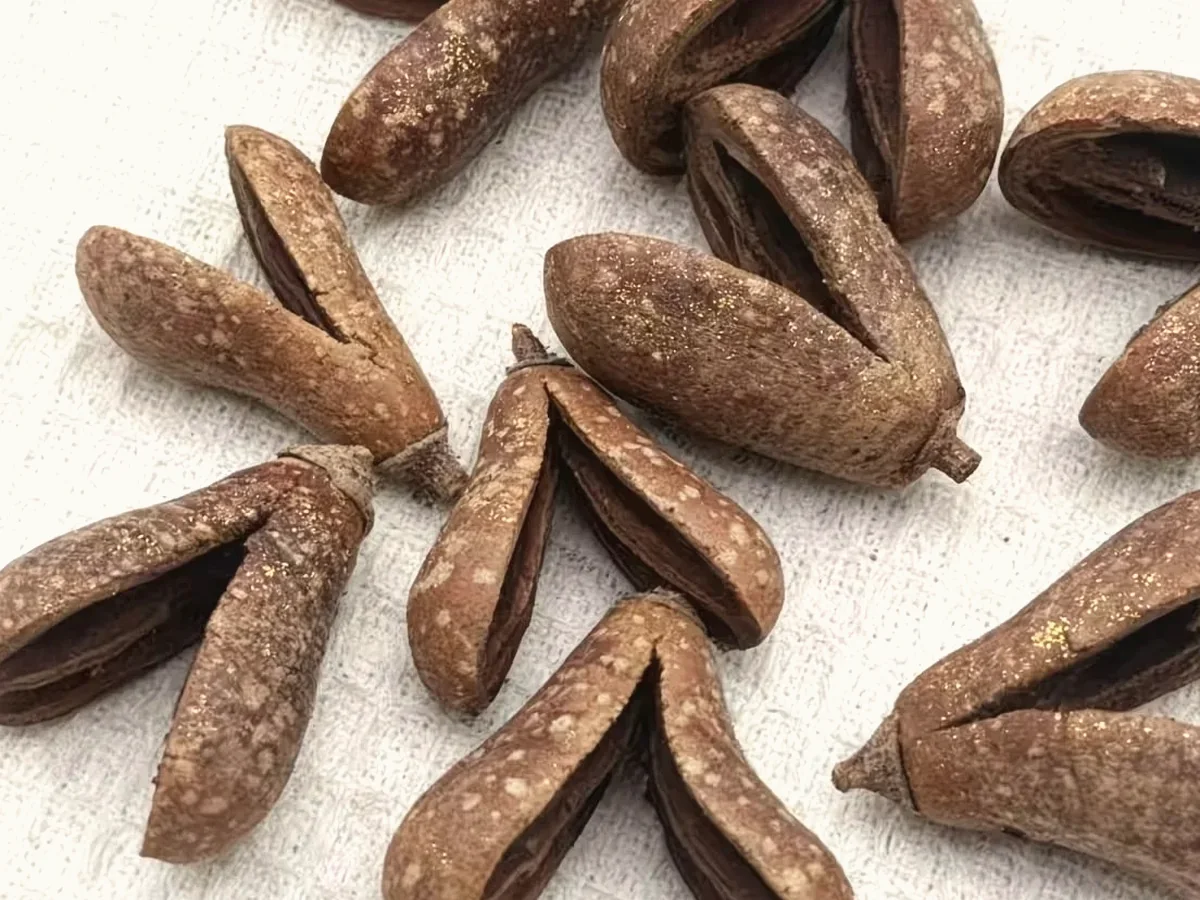
The open pod and split-shell references relate more closely to dehiscence, the way some mature plant structures split open to release what is inside. That opening shape is useful as a visual reference because it can suggest expression, texture, or a tiny container-like form in a handmade character.
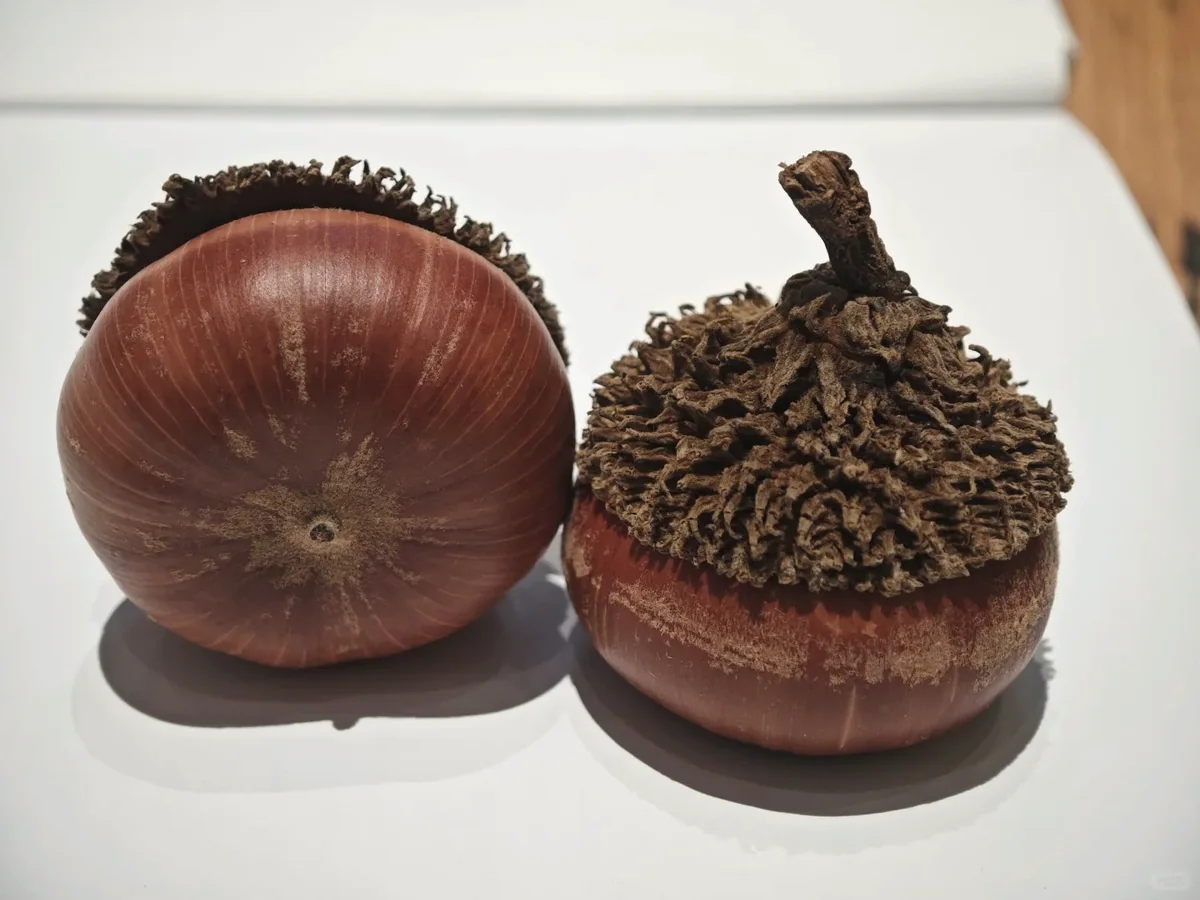
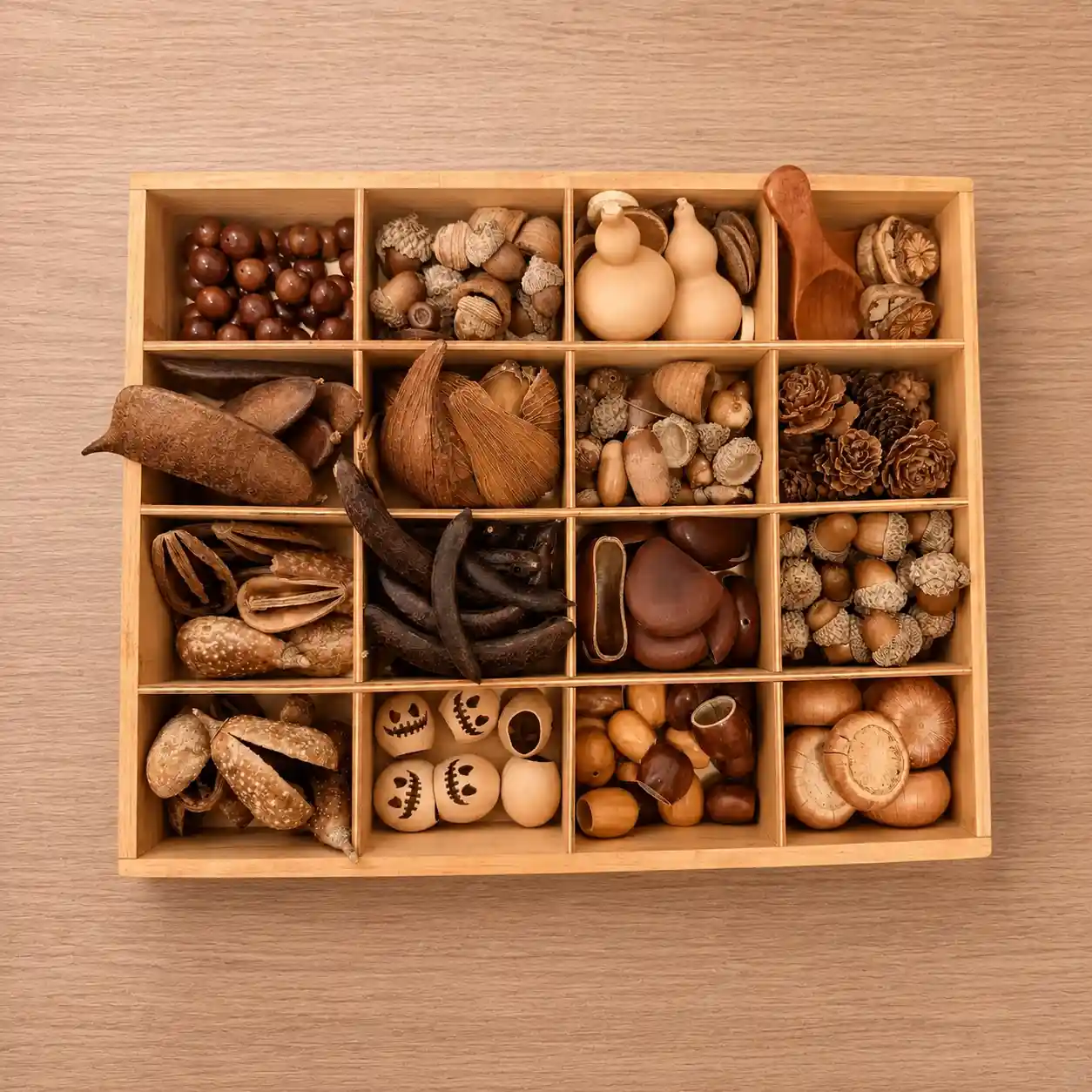
The acorn-cap image connects to the natural structure of an acorn, especially the cup-shaped cupule that holds the nut. Poddolls may study cap-like forms because they can inspire small hats, crowns, rims, or textured accents.
Some open seed pod references can also be compared with a botanical capsule, a dry fruit type that may split open when mature. This helps explain why dried pod forms often have chambers, edges, and openings that are visually interesting for handmade craft work.
Key Facts
- Poddolls begin with treated natural seed pod shells.
- Small botanical pieces may be used or studied as decorative craft accents.
- These details may include dried pods, small plant seeds, nut-like shells, acorn-like caps, or textured natural fragments.
- Botanical details are chosen for handmade character design, not for planting or gardening.
- Not every Poddoll uses the same small natural accents.
- Poddolls are offered as finished dolls and DIY kits.
- Poddolls are handmade collectibles and craft kits, not food, medicine, planting seeds, or gardening products.
The Pod Shell Is the Body, But Small Details Shape the Character
The main pod shell gives a Poddoll its strongest visual identity. It decides whether the character feels round, narrow, open, sleepy, dramatic, shy, or animal-like. That is why the shell is always more than a blank base.
Small botanical details work differently. They do not replace the shell. They support it.
A tiny natural piece may become a cap, a collar, a button, a forehead accent, a bag-like detail, or a little texture beside the face. The piece may be almost unnoticeable at first, but once it is placed in the right position, the whole character can change.
This is one reason Poddolls are different from mass-produced figurines. A factory-made object usually begins with a fixed mold. A Poddoll begins with a natural shell and small handmade decisions. You can read more about this difference in What Is a Handmade Figurine?.
Why Small Plant Seeds and Dried Pods Work as Craft Accents
Small plant-based forms are useful in handmade work because they already carry natural variation. Their size, surface, color, and shape are rarely perfectly identical. That variation is exactly what makes them interesting for a small character.
A tiny seed-like piece can act almost like a natural dot. A dried pod can suggest a small container, a little hat, or a textured shoulder piece. A nut-like shell may look quiet and rounded, while a split pod may feel more dramatic and expressive.
In Poddolls, these pieces are not treated as botanical specimens. They are craft materials and visual references. The maker studies how they sit beside the main pod shell, whether they feel too heavy, whether their color fits the character, and whether their texture adds something without taking over the whole figure.
Dried Botanical Texture Adds More Than Decoration
Texture is one of the biggest reasons small natural materials are useful. A smooth pod shell can feel calm and rounded. A rough dried piece can create contrast. A ridged surface can make a tiny hat feel older, wilder, or more woodland-like.
These textures are not printed patterns. They come from natural forms. That means a small mark, split, ridge, or uneven edge may become part of the character instead of something to hide.
This does not mean every natural mark is used. A maker still has to choose carefully. Some pieces are too large. Some are too fragile. Some do not match the pod shell. The best details are usually the quiet ones: small enough to support the character, but strong enough to be noticed.
Hats, Caps, Crowns, Buttons, and Tiny Marks
Small botanical shapes often suggest familiar character details. A cap-like form may look like a tiny hat. A ridged piece may feel like a crown. A round piece may become a button. A dark seed-like form may work as a small accent near the face or body.
The goal is not to make the material disappear. The goal is to let the natural form and the handmade character agree with each other.
For example, a rough cap may make a Poddoll feel more woodland-inspired. A smooth small piece may make the same shell feel gentler. A darker accent can make the face feel more expressive. A lighter detail can make the character feel softer.
These are small choices, but small choices are often where handmade objects become memorable.
Reference Images Are Not Always Exact Materials
Some botanical images are used as reference. They help show how seed pods, seeds, caps, shells, and dried plant forms can inspire handmade details. That does not mean every image shows a required material in every Poddoll.
This distinction matters.
Poddolls are handmade from natural seed pod shells and craft materials. Some small plant-based pieces may be used as accents, while others may simply help explain the kind of shape or texture a maker looks for. Natural materials vary by batch, by character, and by design choice.
So when you see a seed pod reference image, it should be understood as part of the material story, not as a promise that the exact plant form appears in each finished doll or DIY kit.
How Botanical Details in Poddolls Are Used in Finished Dolls and DIY Kits
In a finished Poddoll, the studio chooses the main pod shell, studies the character direction, selects small details, and completes the figure before it is sent out. The customer receives a finished handmade collectible that is ready to display, gift, or keep on a shelf.
In a DIY Poddoll kit, the experience is different. The kit gives the maker a chance to assemble and finish a small character by hand. The included craft parts are meant for creative construction, not for gardening. You can learn more about this format in What Is Included in a DIY Pod Doll Kit?.
Finished dolls and DIY kits both belong to the same world: handmade collectible characters built from natural shell materials and small craft details. The difference is who makes the final choices. For a full comparison, see Finished Pod Doll vs DIY Kit.
What These Materials Are Not For
Because Poddolls use treated natural shell materials and craft parts, the botanical details should be understood only as handmade craft materials. They are not sold for planting, eating, medicine, herbal use, or gardening.
This is especially important because the word “seed” can easily create confusion. A plant seed in nature may have one role, but a dried or treated craft material in a handmade object has a completely different purpose.
In Poddolls, the purpose is character-making. The material is selected because it helps a small figure feel expressive, textured, natural, and handmade.
Maker Notes: How We Choose Small Natural Details
In the studio, small natural details are not chosen only because they look pretty. We look at their size, color, curve, surface texture, and how they sit next to the pod shell.
A small piece may be beautiful by itself but wrong for the character. Another piece may look ordinary on the table, then suddenly become perfect once it is placed near the shell. That is the fun part of working with natural materials. They do not always tell you what they want to become immediately.
We usually ask a few simple questions: Does this detail make the character clearer? Does it make the shell feel more alive? Does it support the expression, or does it distract from it? If the answer is yes, the tiny piece earns its place.
Why Botanical Details in Poddolls Matter in a Small Handmade Collectible
A Poddoll is small, so every detail has weight. A tiny cap can change the mood. A small dried pod can make a character feel more woodland-like. A natural mark can make the face feel less perfect and more alive.
That is why botanical details matter. They help Poddolls stay close to the natural world without becoming gardening products. They connect the handmade character back to plant forms, textures, and quiet studio decisions.
For a wider introduction to the world of Poddolls, start with the Pod Doll Guide or read What Is a Pod Doll?. For common material, care, shipping, and product questions, visit the Poddolls FAQ.
FAQ
What small botanical materials are used in Poddolls?
Poddolls may use or study small plant seeds, dried pods, nut-like shells, acorn-like caps, and other botanical pieces as natural craft accents. These materials are chosen for shape, texture, color, and character expression.
Are the small seeds in Poddolls real plant seeds?
Some small natural accents may come from real plant forms, but they are used as treated or dried craft materials. They are not offered as live seeds, planting supplies, food, or medicine.
Does every Poddoll include the same botanical details?
No. Poddolls are handmade, and small natural details may vary by character, material batch, and design choice. Not every Poddoll includes the same seeds, pods, caps, or shell accents.
Are the images in this article the exact materials used in every Poddoll?
No. Some images show actual craft material references, while others show botanical inspiration or natural texture references. They should not be understood as a promise that every Poddoll contains the exact same plant material.
Can these botanical pieces be planted?
No. Poddolls materials are used for handmade craft work. They are not sold or prepared as planting seeds, gardening supplies, or growing kits.
Why do Poddolls use small natural accessories?
Small natural accessories can add texture, contrast, balance, and expression. They help a handmade Poddoll feel more like a small character instead of a plain shell object.
Are botanical details included in DIY Poddoll kits?
DIY Poddoll kits may include small craft parts and decorative details depending on the kit design. These parts are for assembling a handmade character, not for planting or gardening.
Explore small handmade Poddolls
Browse finished Poddolls and DIY Pod Doll Kits made with natural seed pod shells and handmade character details.
About Poddolls
Poddolls is a handmade seed pod doll studio that creates small collectible characters from natural seed pod shells, offered as finished dolls and DIY kits.
Each Poddoll is shaped by natural shell texture, small handmade decisions, and character-focused details. The studio treats plant-based materials as craft materials for display, gifting, collecting, and DIY making, not as food, medicine, planting seeds, or gardening products.
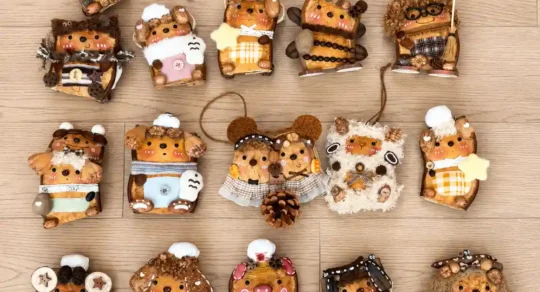
One Shelf Spot. 23 Poddolls. Who Gets It?
PODDOLLS STUDIO NOTESOne Shelf Spot. 23 Poddolls. Who Gets It?Pick one from the group photo before the close-ups make the decision harder.For this photo …
-
- Post Date: 21 Jul, 2026
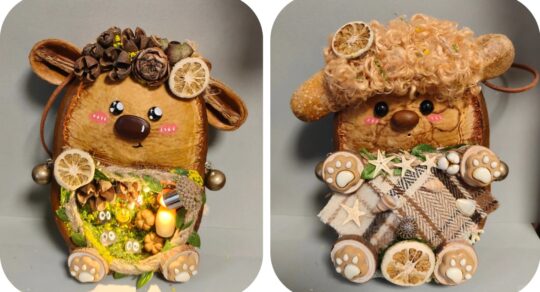
One Poddoll, Two Completely Different Sides
PODDOLLS STUDIO NOTES One Poddoll, Two Completely Different Sides …
-
- Post Date: 20 Jul, 2026
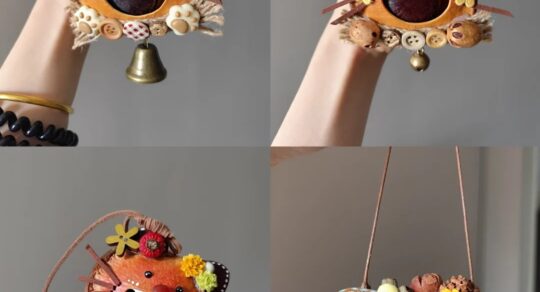
How One Open-Mouth Idea Became Cats, Pigs, and Something Else
PODDOLLS STUDIO NOTES How One Open-Mouth Idea Became Cats, Pigs, and Something Else Put these photos side by side and one detail keeps returning: a large, …
-
- Post Date: 19 Jul, 2026
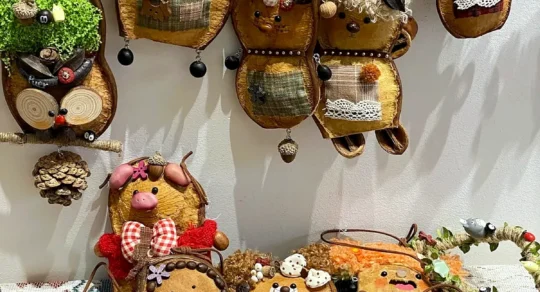
Before the Style Settled: Early Poddoll Experiments
PODDOLLS STUDIO ARCHIVEBefore the Style Settled: Early Poddoll ExperimentsCat-style hangers, animal faces, human-like outfits, and a few character ideas that never fit one category.These …
-
- Post Date: 18 Jul, 2026
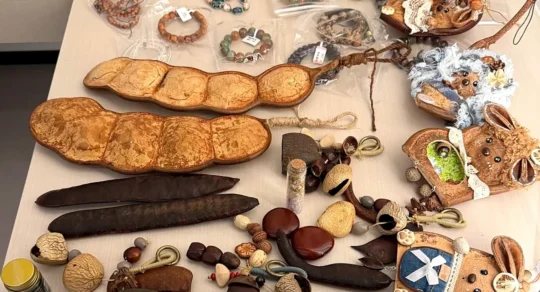
Inside the Poddolls Worktable: How a Seed Pod Becomes a Character
PODDOLLS STUDIO NOTES Inside the Poddolls Worktable: How a Seed Pod Becomes a Character …
-
- Post Date: 17 Jul, 2026
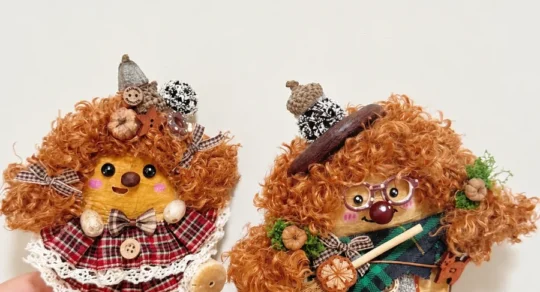
The Seed Pod Was Already Weird. We Just Gave It Hair.
PODDOLLS STUDIO NOTESThe Seed Pod Was Already Weird. We Just Gave It Hair.Seed pod character design starts on the worktable, where an undecorated shell …
-
- Post Date: 16 Jul, 2026