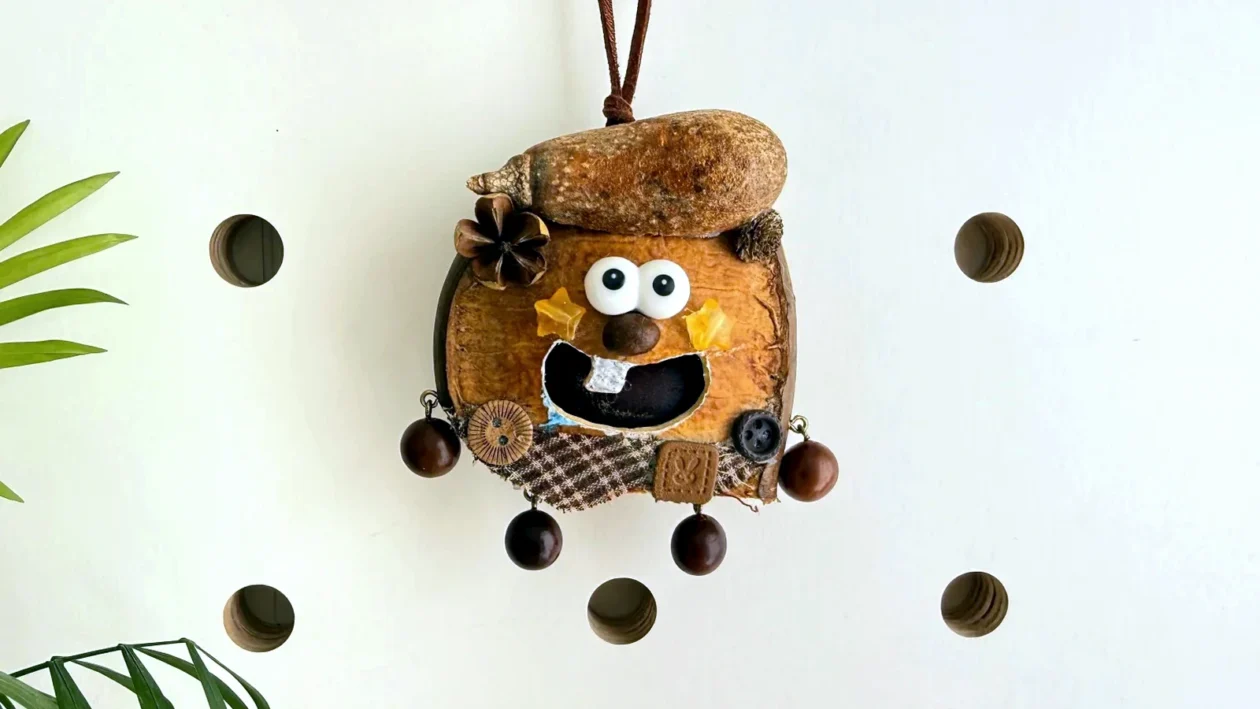
Why Do Tiny Handmade Characters Feel So Alive?
-
- Post Date: 13 Jul, 2026

Poddolls Character Guide
Why Do Tiny Handmade Characters Feel So Alive?
One Poddoll looks like it knows who moved the scissors. Another looks innocent enough to be immediately suspicious.
Neither character moves or speaks, of course. Still, a pair of eyes, a tilted body, or one very confident little hat can make a handmade object seem shy, cheerful, curious, grumpy, or ready to explain the rules nobody asked for.
That feeling is not unusual. People are remarkably quick to find faces, read posture, and imagine personality in simple forms. A maker builds the character, but the viewer quietly finishes the introduction.
Quick Answer
Tiny handmade characters can feel alive because people naturally read faces, body shape, posture, texture, and small details as signs of personality. In Poddolls, a natural seed pod shell provides an irregular starting form, while handmade eyes, clothing, hair, and accessories add visual clues. The character is not alive, but the design gives the viewer enough information to imagine a mood and a story.
Key Facts
- People can recognize face-like patterns from very simple shapes.
- Eye position, mouth shape, posture, and proportion affect how a character is perceived.
- Natural seed pod shells provide curves, openings, textures, and outlines before decoration begins.
- Hair, glasses, clothing, and small accessories can change the apparent mood of a character.
- Different viewers may imagine different personalities for the same handmade figure.
- Poddolls are handmade collectible characters, not living beings, blind boxes, or rough-play toys.
Why Two Dots and a Mouth Can Be Enough
A face does not need much information before the brain begins reading it.
Two dark dots may become eyes. A short curved line may become a smile. Move the eyes slightly closer together and the character may look younger. Place them lower on the face and it may seem shy. Open the mouth and suddenly the same quiet object appears surprised, excited, or deeply concerned about the snack situation.
The tendency to see meaningful patterns, especially faces, in unrelated shapes is known as pareidolia. Makers do not need to fight that instinct. They can work with it.
With a Poddoll, the shell already offers a shape. A few careful features can be enough to turn that shape into a character the viewer immediately understands.
Shape Comes Before Personality
Many manufactured figures begin with a drawing or digital model, followed by a mold designed to repeat the same shape. Poddolls begin somewhere less obedient: with a natural seed pod shell.
The shell may be round, narrow, curved, open, uneven, or slightly tilted. Its surface may be smooth in one area and textured in another. Before the maker adds a face, the shell has already suggested a posture and proportion.
A rounded shell may feel calm or gentle. A wide opening may become an expressive mouth. A narrow shape may suggest a taller, quieter character. These are not fixed rules. They are design possibilities discovered while looking at the material.
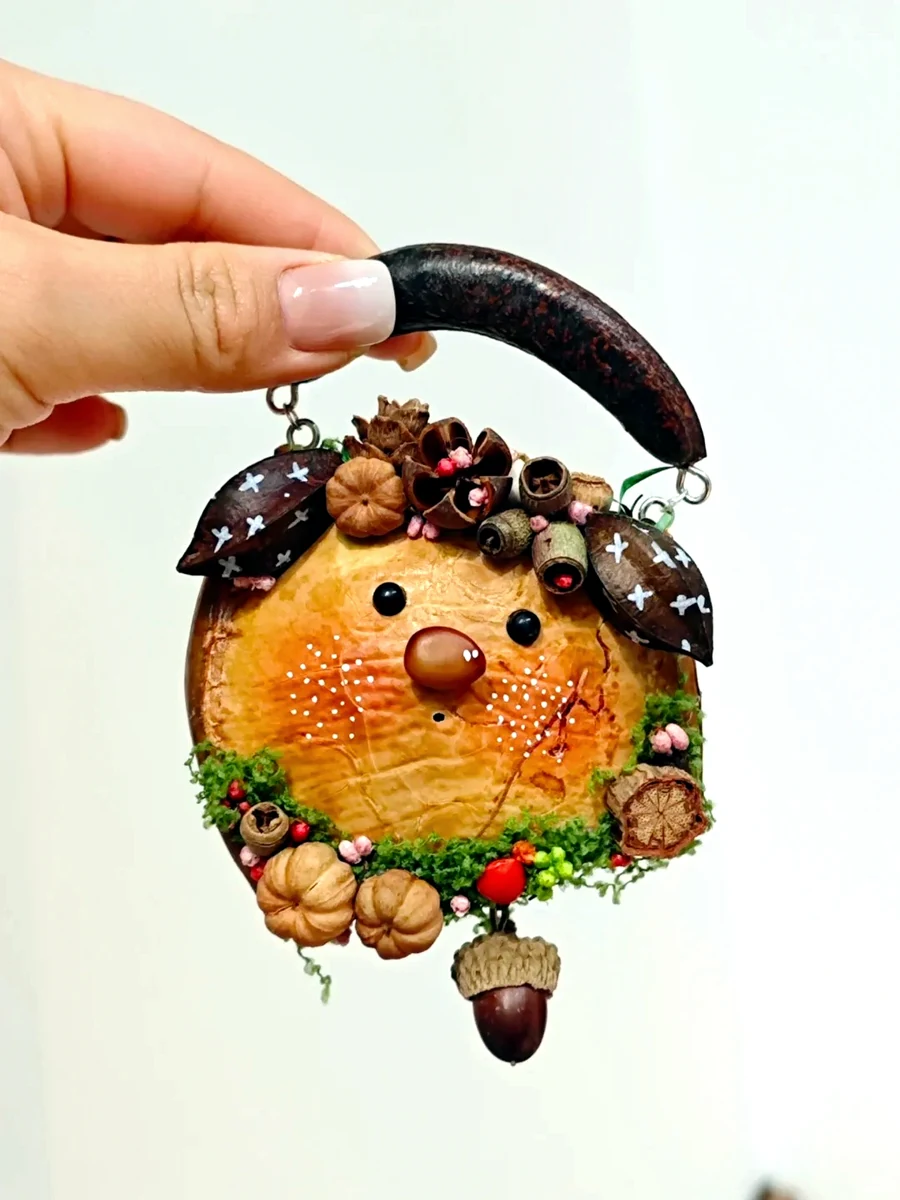
The front and back views below show the same finished cat Poddoll. The back is not an unfinished version. It reveals the natural shell surface and outline that existed before the face and decorative details gave the piece its final character.
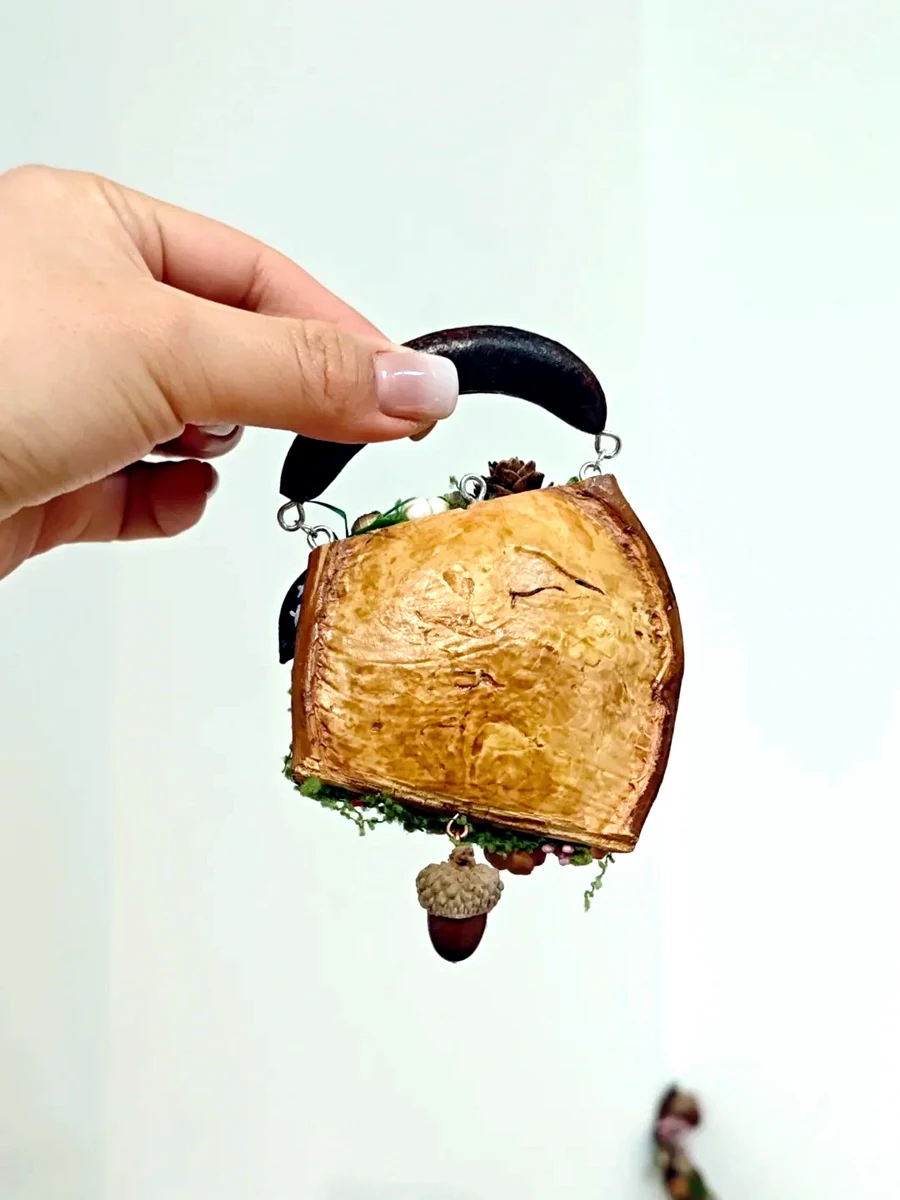
This is why the shell is not simply a blank craft base. It influences what the character can become.
For a closer look at the material and studio process, read What Are Pod Dolls Made Of? and How Pod Dolls Are Made.
Tiny Details Change the Whole Mood
Once the basic face and body are established, small details begin changing how the character is read.
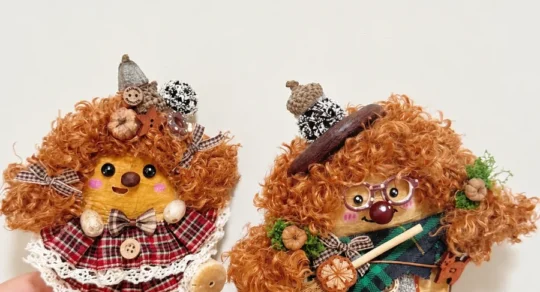
Glasses may make a character seem thoughtful or organized. Curly hair can soften the outline. A tiny broom suggests that the character has somewhere to be. Denim, lace, plaid, buttons, and botanical accents all carry familiar visual associations.
The materials do not create a complete personality by themselves. They give the viewer clues.
Remove the glasses from one character and the face may suddenly feel younger. Replace a soft fabric with a dark structured patch and the mood becomes more serious. Add one slightly oversized accessory and the character may look as though it has developed main-character energy without consulting anyone.
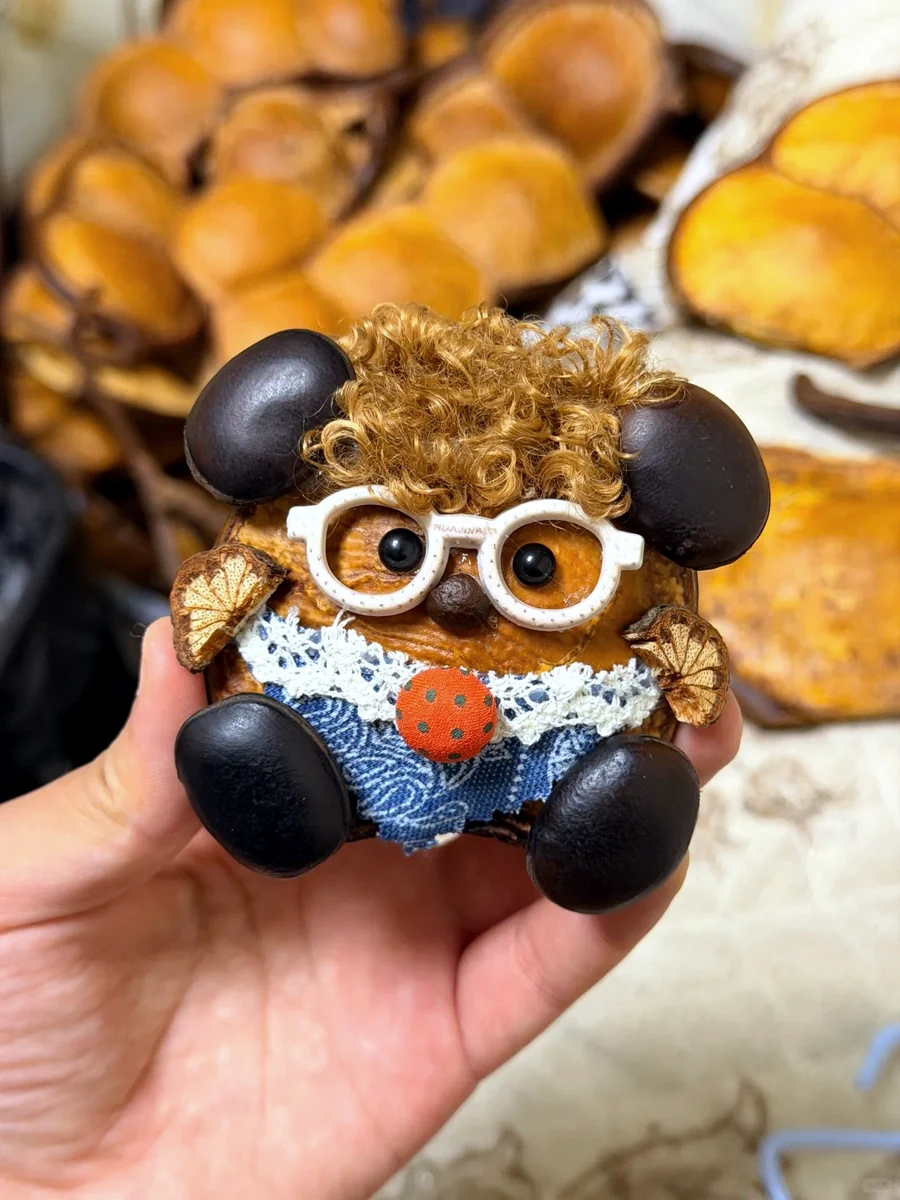
This is one reason handmade characters reward close looking. A button is not only a button. Its size, position, color, and relationship to the other details can affect the entire impression.
Posture Works Even When Nothing Moves
A character does not need animation to suggest movement.
A slight lean can look curious. Hanging legs may appear relaxed. Arms placed close to the body may feel timid, while a wide open shape feels more outgoing. Even the direction of the eyes can make a character seem focused on something outside the frame.
This is related to anthropomorphism: the human habit of assigning human traits, emotions, or intentions to non-human beings and objects.
When someone says a Poddoll looks sleepy or stubborn, they are interpreting visual cues. The object has not announced its mood. The viewer has read one into the shape.
Imperfection Makes a Character Specific
Perfect symmetry can be attractive, but it can also make an object feel anonymous.
A slightly uneven shell, a face placed just off center, or one curl falling differently from the others gives the eye something specific to remember. These small irregularities prevent the character from feeling like a generic symbol.
That does not mean every flaw improves a piece. Handmade work still requires selection, balance, and editing. A loose part is not personality. Neither is adding twelve details when three would do the job.
The useful irregularities are the ones that support the character: a curve that suggests a posture, an opening that becomes a mouth, or a texture that makes one figure immediately recognizable.
This is also part of what separates a handmade figurine from a completely standardized object. For more on that distinction, visit What Is a Handmade Figurine?.
The Viewer Finishes the Character
The maker can choose the face, materials, and arrangement, but the viewer brings personal associations.
One person may see a forest fairy. Someone else may see a shy little creature. Another may see the friend who arrives at brunch with six bags and insists every bag is necessary.
None of these readings has to be official.
A strong small character leaves enough room for interpretation. It gives the viewer a few clear visual clues without explaining every detail. That open space is where personality begins to feel personal.
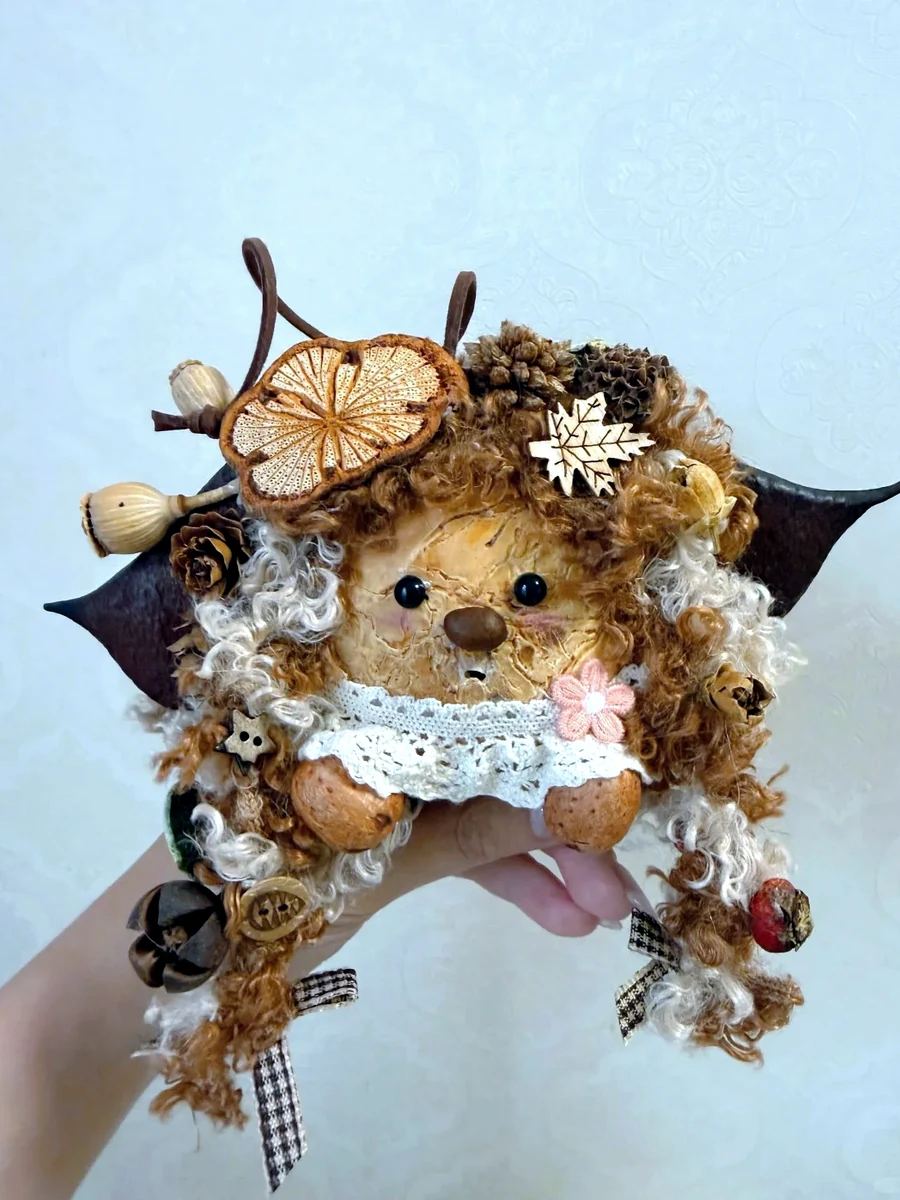
If you enjoy the way unusual little details stay in the mind, read Why Strange Little Characters Are Easier to Remember.
Maker Notes: Knowing When to Stop
In the studio, creating personality is not always about adding more.
Sometimes a shell already has a clear shape and needs only a face. Sometimes one accessory changes the whole direction. Other times several details compete with each other until the character looks as though it got dressed during a power outage.
We usually step back and ask a simple question: what is the first thing the eye notices?
If the answer is the face, posture, or one memorable detail, the character is probably working. If the answer is “everything at once,” something usually needs to be removed.
The natural shell should remain visible enough to feel like the starting point, while the handmade additions should make the character clearer rather than bury it.
Why Do Tiny Handmade Characters Feel So Alive?
Because the human brain is ready to meet them halfway.
A few facial features suggest emotion. A natural shell provides posture and proportion. Clothing and accessories add familiar signals. Small irregularities make the character specific. Then the viewer connects those clues and imagines a personality.
The Poddoll has not actually developed opinions about moss, desk organization, or who ate the last cookie. It simply gives us enough visual information to suspect that it might have.
For a broader introduction to these small handmade characters, visit the Pod Doll Guide. For display and care questions, see the Poddolls FAQ.
Frequently Asked Questions
Why do tiny handmade characters seem to have personalities?
People naturally interpret faces, posture, proportions, clothing, and small details as signs of emotion or intention. Handmade variation can make those visual clues feel more specific.
Are Poddolls alive?
No. Poddolls are handmade collectible characters. Their faces, shapes, and details can suggest personality, but they are decorative objects and DIY craft pieces.
Why does the natural shell shape matter?
The seed pod shell provides the original curve, outline, surface, and proportion of the character. Makers use those natural features as a starting point rather than forcing every shell into the same mold.
Do all viewers see the same personality in a Poddoll?
No. Different viewers may interpret the same character differently based on its expression, posture, accessories, and their own personal associations.
Are all Poddolls identical?
No. Natural shell shapes, surface textures, handmade faces, fabrics, hair, and small decorative details may vary between characters.
Are Poddolls toys?
Poddolls are handmade collectibles and DIY craft kits intended for display, collecting, gifting, and gentle handling. They are not designed for rough play.
Can I make my own Poddoll character?
Yes. Poddolls are offered as finished characters and DIY kits. See Finished Pod Doll vs DIY Kit to compare the two formats.
Explore Poddolls
See finished handmade characters and DIY Pod Doll Kits in the Poddolls Studio.
About Poddolls
Poddolls is a handmade seed pod doll studio that creates small collectible characters from natural seed pod shells, offered as finished dolls and DIY kits.
The studio uses treated natural shells and handmade craft materials to build small characters for indoor display, collecting, gifting, and DIY making. Poddolls are not food, medicine, planting seeds, gardening products, blind boxes, or rough-play toys.
One Shelf Spot. 23 Poddolls. Who Gets It?
PODDOLLS STUDIO NOTESOne Shelf Spot. 23 Poddolls. Who Gets It?Pick one from the group photo before the close-ups make the decision harder.For this photo …
-
- Post Date: 21 Jul, 2026
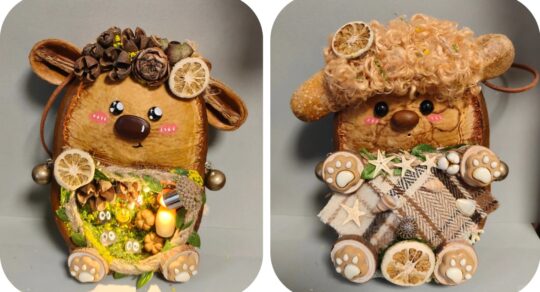
One Poddoll, Two Completely Different Sides
PODDOLLS STUDIO NOTES One Poddoll, Two Completely Different Sides …
-
- Post Date: 20 Jul, 2026
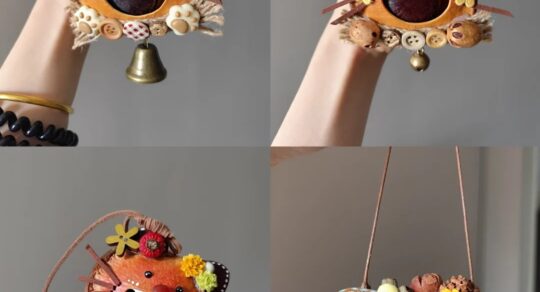
How One Open-Mouth Idea Became Cats, Pigs, and Something Else
PODDOLLS STUDIO NOTES How One Open-Mouth Idea Became Cats, Pigs, and Something Else Put these photos side by side and one detail keeps returning: a large, …
-
- Post Date: 19 Jul, 2026
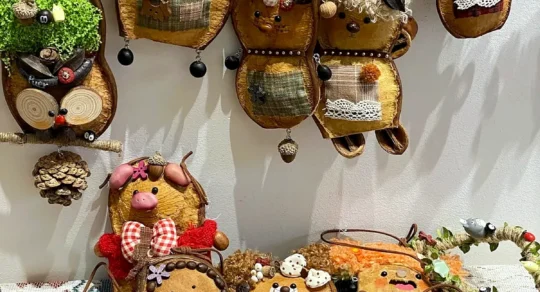
Before the Style Settled: Early Poddoll Experiments
PODDOLLS STUDIO ARCHIVEBefore the Style Settled: Early Poddoll ExperimentsCat-style hangers, animal faces, human-like outfits, and a few character ideas that never fit one category.These …
-
- Post Date: 18 Jul, 2026
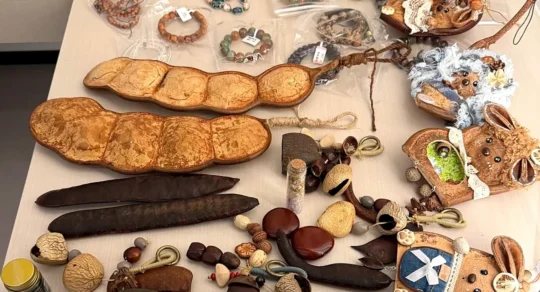
Inside the Poddolls Worktable: How a Seed Pod Becomes a Character
PODDOLLS STUDIO NOTES Inside the Poddolls Worktable: How a Seed Pod Becomes a Character …
-
- Post Date: 17 Jul, 2026
The Seed Pod Was Already Weird. We Just Gave It Hair.
PODDOLLS STUDIO NOTESThe Seed Pod Was Already Weird. We Just Gave It Hair.Seed pod character design starts on the worktable, where an undecorated shell …
-
- Post Date: 16 Jul, 2026