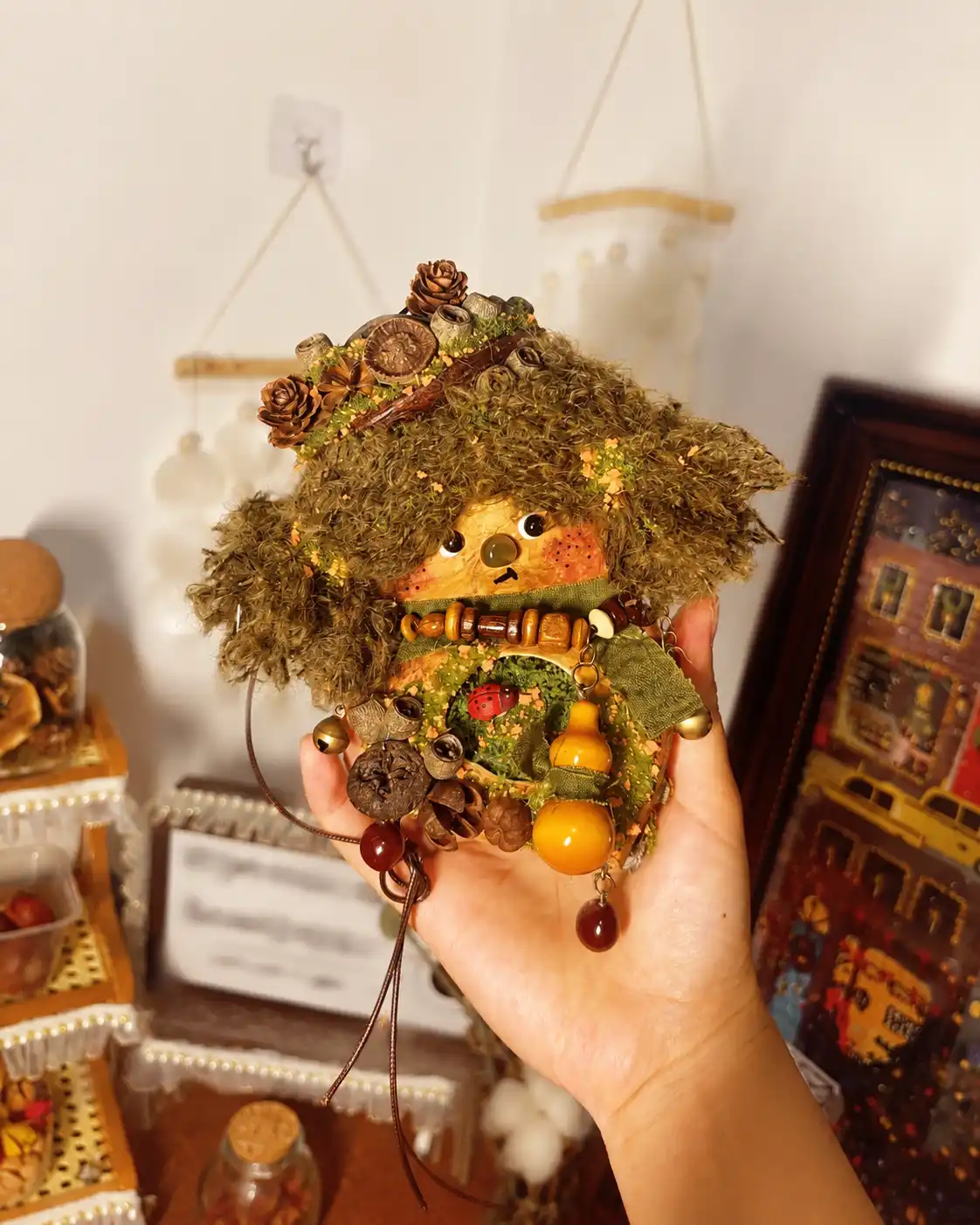
From Seed Pods to Poddolls: The Strange Journey of Natural Shells into Handmade Characters
-
- Post Date: 07 Jul, 2026

Poddolls Studio Journal
From Seed Pods to Poddolls: The Strange Journey of Natural Shells into Handmade Characters
Before it becomes a Poddoll, a seed pod has already lived another life.
It may have grown as part of a climbing vine. It may have held a pale seed inside a green shell. It may have dried into a harder natural vessel, changed color, and kept the curve of the plant that made it. Some seeds even travel by water as sea beans, drifting through rivers and ocean currents before washing up on a beach.
A pod is not just a craft material. It is a plant story with shape, texture, and memory.
At Poddolls, that natural shell becomes the beginning of a small handmade character. The finished doll may look quiet on a shelf, but its material begins in a much stranger world of plants, seeds, shells, and human imagination.
For a studio-photo view of how shell shape influences the later design, read The Seed Pod Was Already Weird. We Just Gave It Hair.
For the smaller accents that support texture and expression, see small botanical details in Poddolls.
Quick Answer
The journey from seed pods to Poddolls begins with a natural plant structure and ends with a handmade collectible character. Seed pods can protect seeds, change as they mature, and sometimes travel in surprising ways. Around the world, people have also used plant materials such as seeds, husks, straw, and wood to make beads, charms, dolls, and small meaningful objects.
Poddolls are a modern handmade seed pod doll studio practice. They do not claim to be an ancient folk tradition. Instead, Poddolls continue a broader human habit: noticing a natural material, seeing character in its shape, and turning it into something small enough to keep, gift, or display.
Key Facts
- A seed pod begins as part of a living plant, not as a craft object.
- Some pods hold and protect seeds, then change as they mature and dry.
- Drift seeds, also called sea beans, can travel long distances by water.
- Some seed pods have strange natural stories, from jumping beans to exploding fruit capsules.
- People have used plant materials such as seeds, husks, straw, and wood in beads, dolls, charms, and small objects.
- Poddolls are modern handmade seed pod doll characters made from natural seed pod shells and offered as finished dolls and DIY kits.
Before It Becomes a Doll, a Pod Is a Plant Story
Before a pod becomes a handmade object, it belongs to a plant.
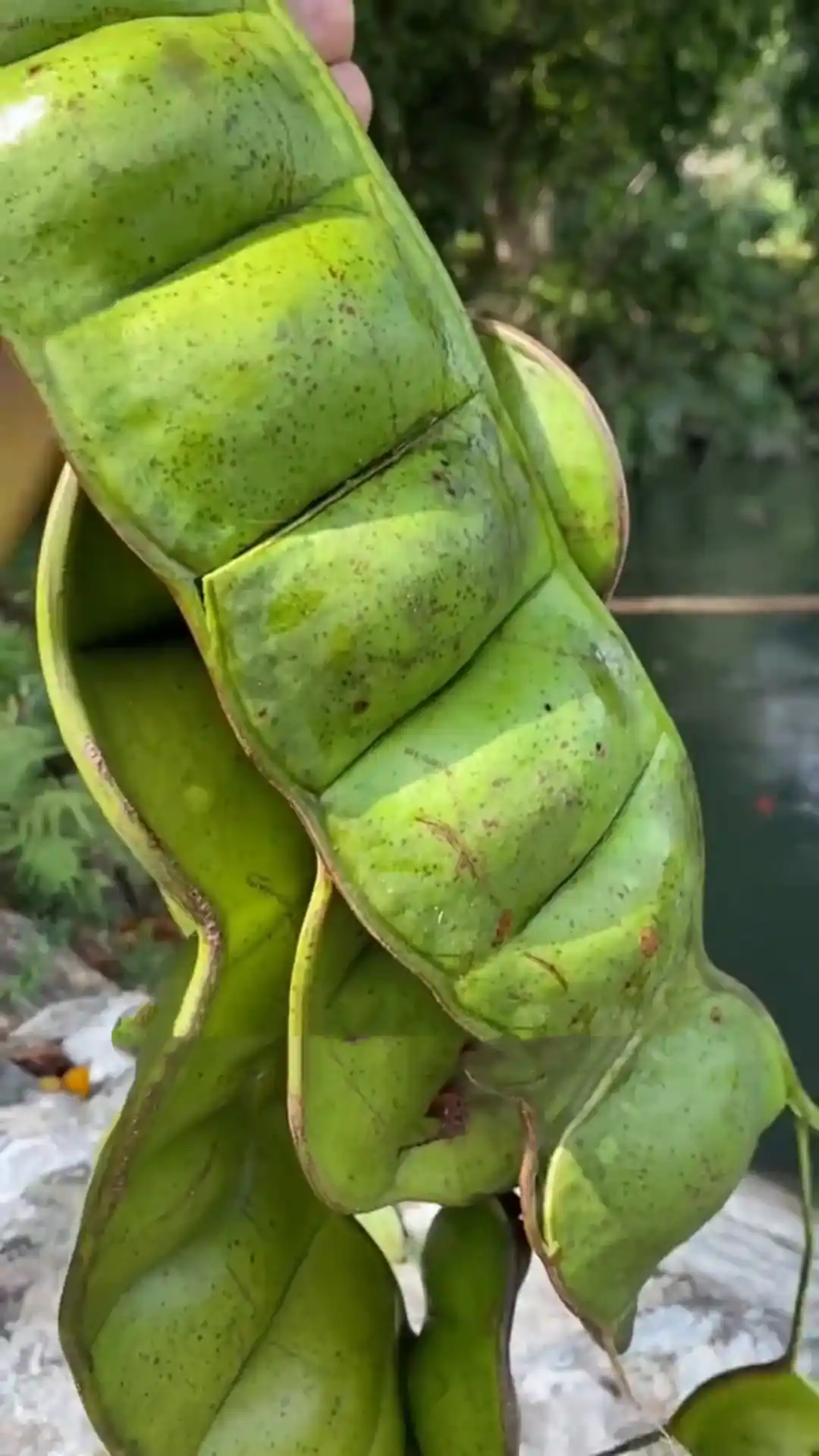
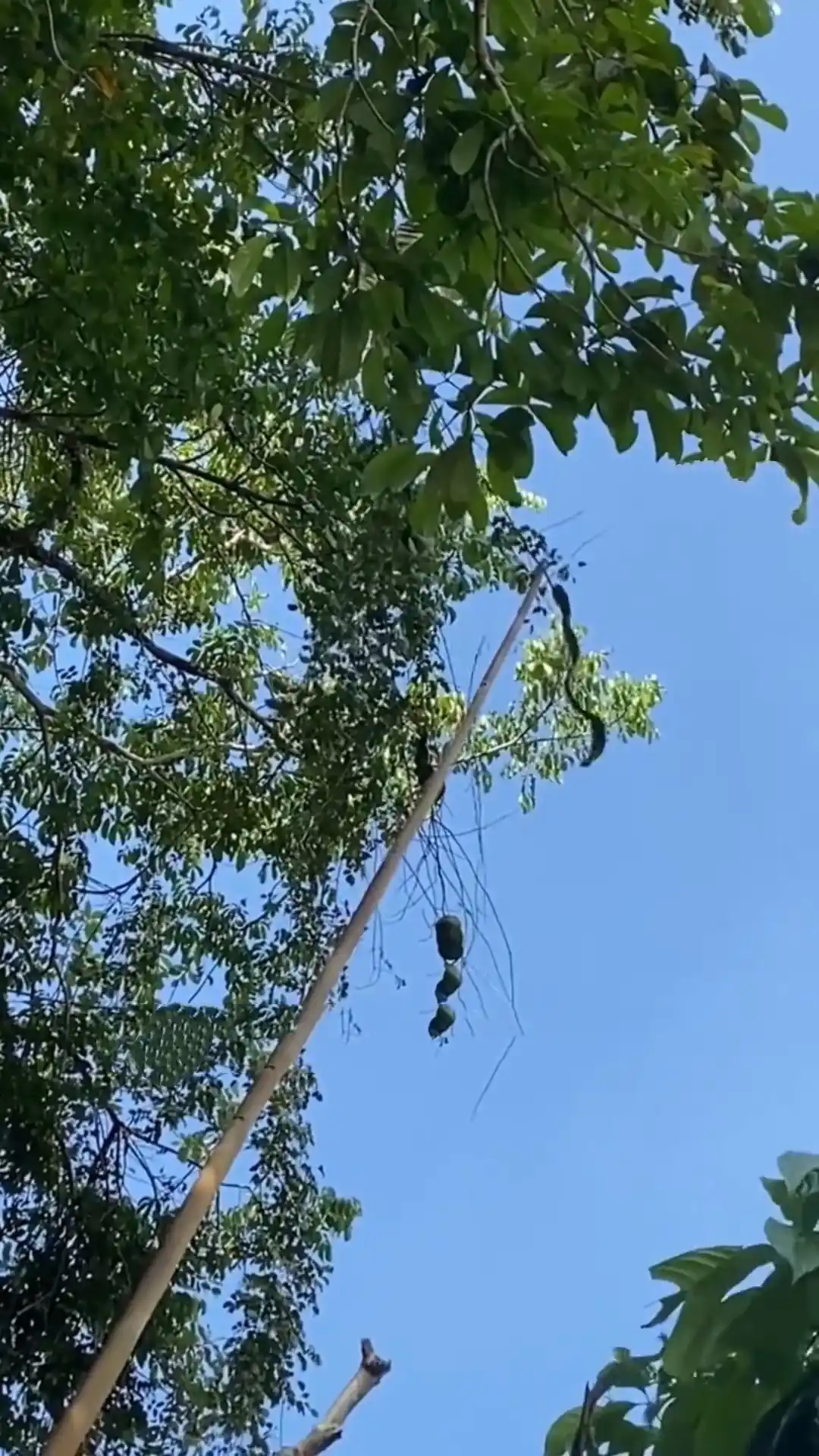
A large green seed pod can look almost unreal while it is still growing. It may hang from a living vine or plant, with a surface that is smooth, heavy, segmented, and full of stored life. At that stage, it has not been polished, packaged, or prepared for display. It is still part of the plant world.
That is the first thing to understand about seed pod shells. They are not born as craft blanks. They begin as natural structures connected to growth, seed protection, and maturity.
The shape of a pod is not random decoration. Its curve, opening, skin, thickness, and surface all come from the plant’s own form. Later, when a natural shell becomes a handmade material, those same features can still be felt.
This is one reason Poddolls do not begin like factory-molded figures. A Poddoll begins with a natural form that already has a direction, a curve, and a surface.
What Is Inside a Seed Pod?
A seed pod is not only an outer shell.
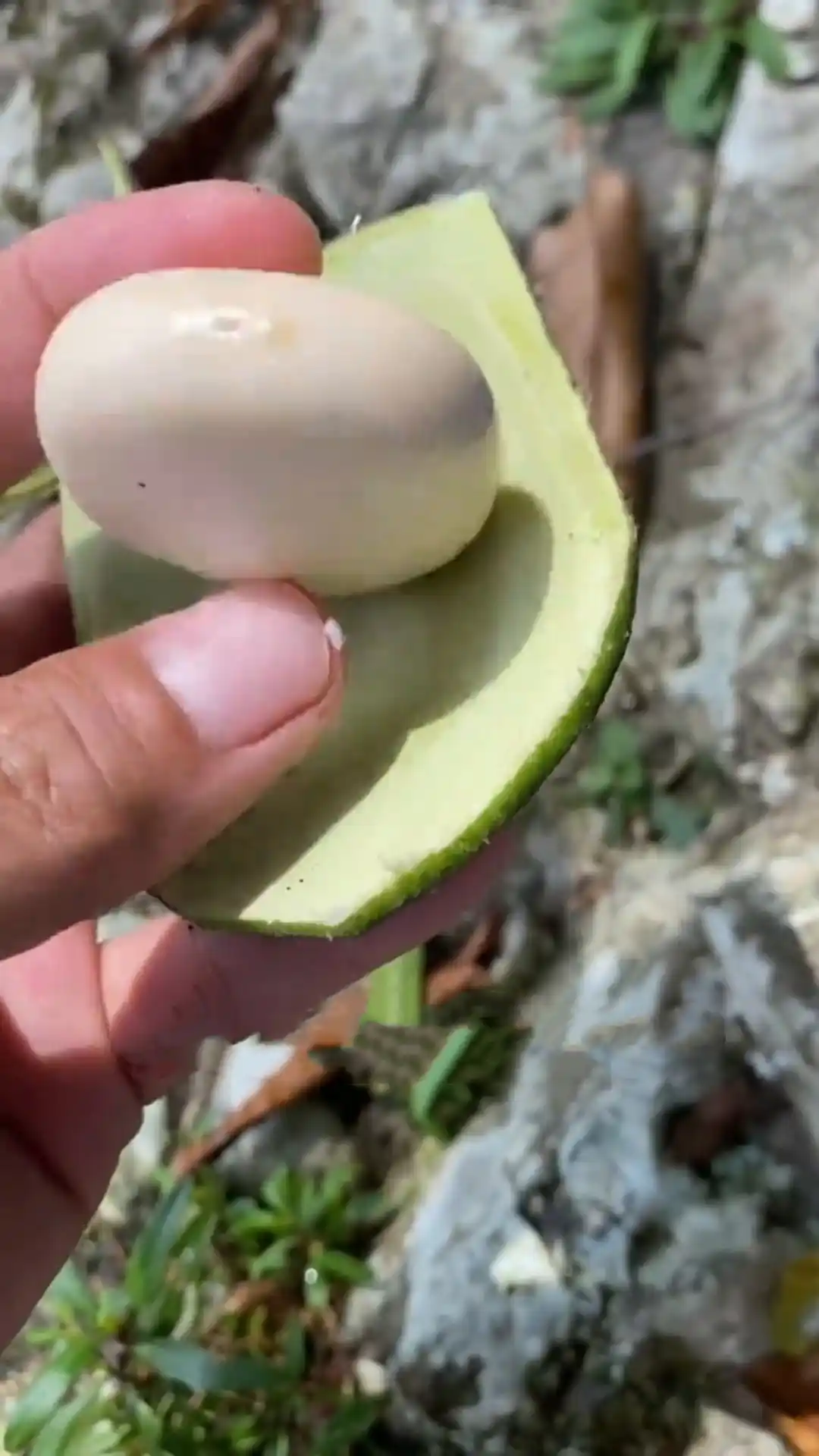
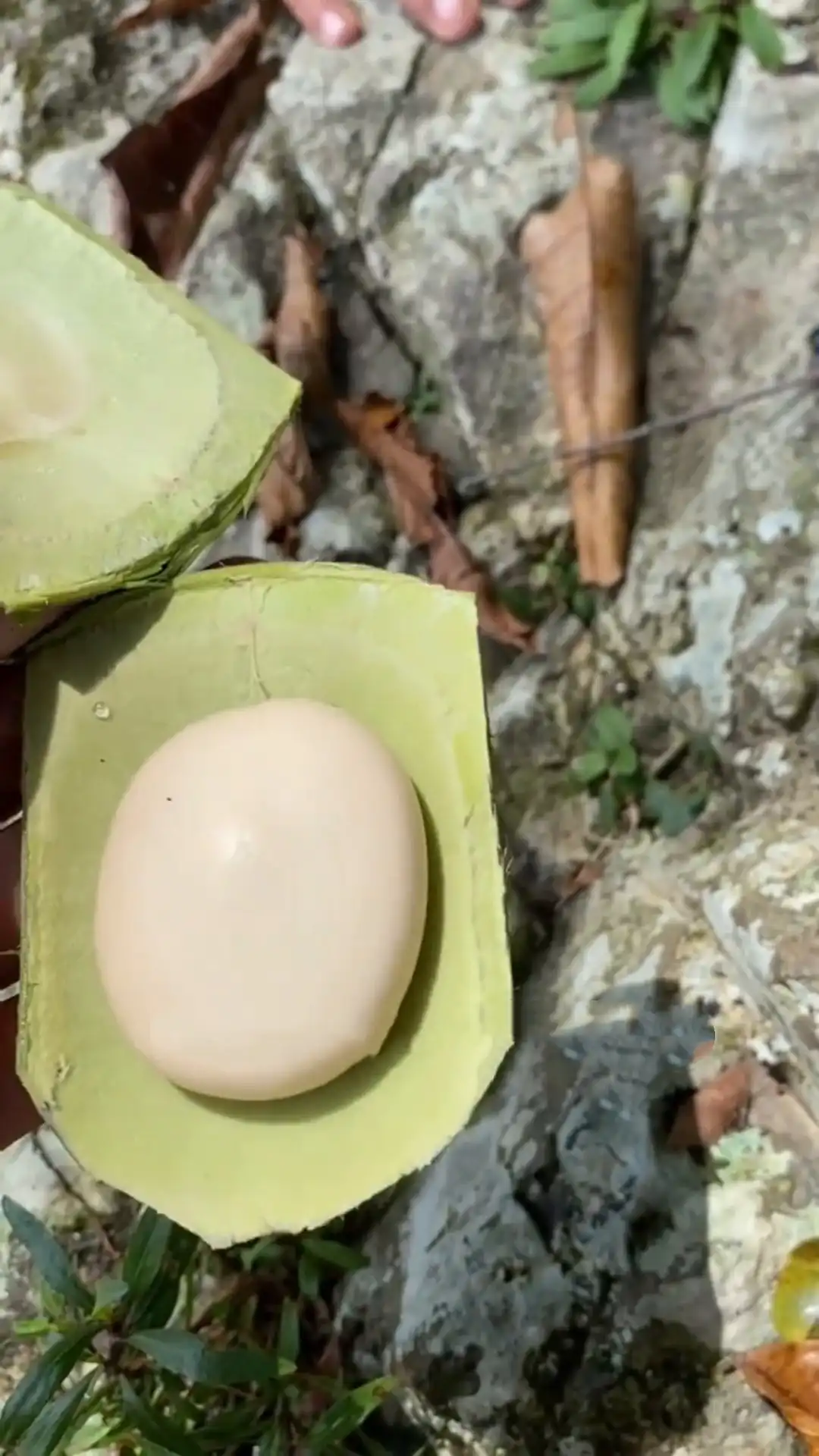
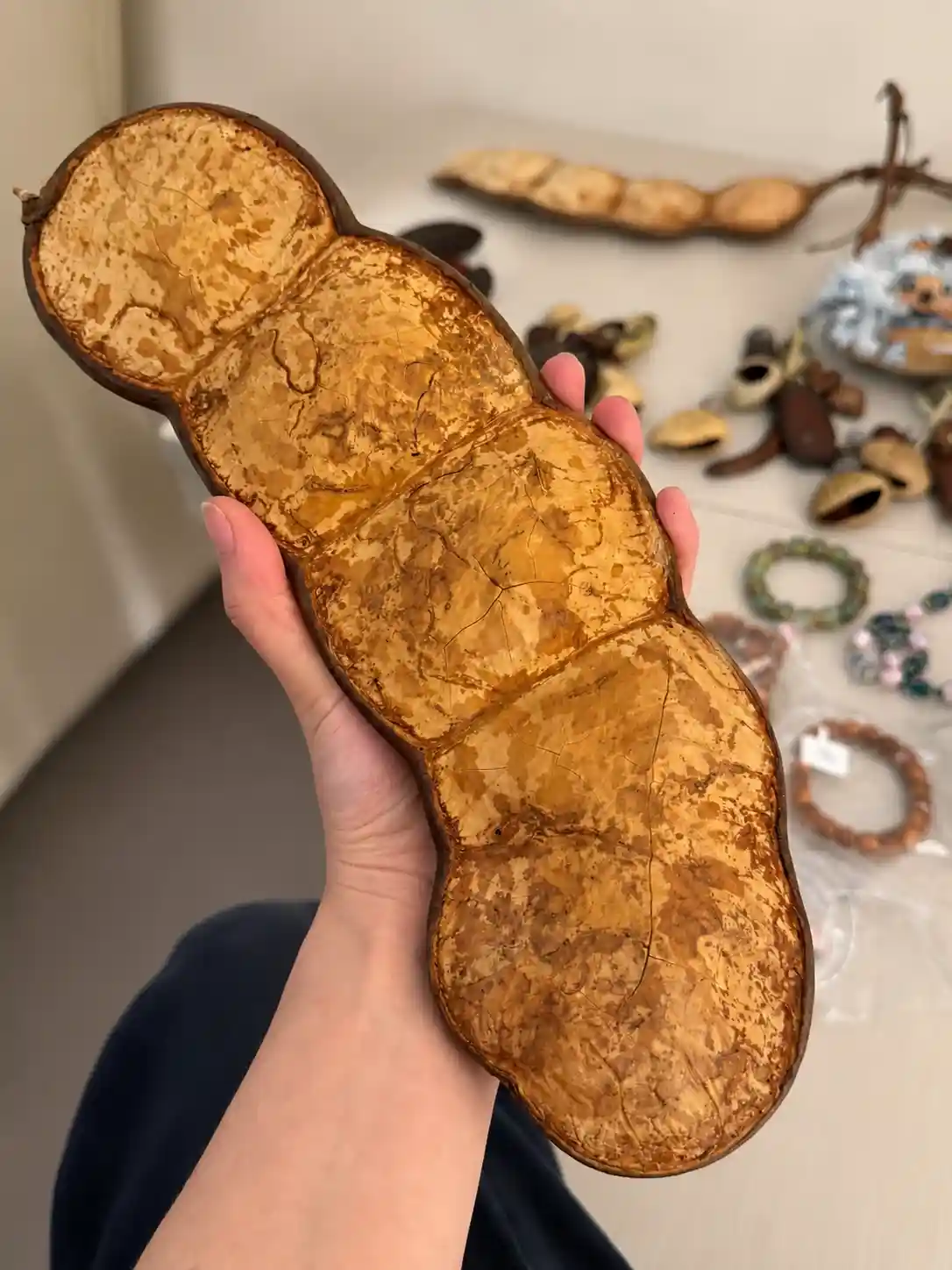
When a pod is opened, the relationship between the shell and the seed becomes easier to see. The shell once held something inside. It protected the seed while the plant was still developing, and it helped create the shape that remains after the pod matures.
This is why natural pod shells feel different from ordinary craft material. A flat piece of manufactured material has no past life. A natural shell has already been shaped by growth.
The image below is a natural pod reference, not a claim that every Poddoll comes from this exact plant species. Its purpose is to show a simple idea: before a shell can become a handmade character, it first belongs to a plant’s life cycle.
Seed Pods Were Built to Travel
Plants do not walk, but seeds have many ways of leaving home.
Some seeds move by wind. Some are carried by animals. Some fall close to the parent plant. Some are pushed, thrown, or carried by water. Seed dispersal is one of the reasons pods, fruits, and shells can be so varied in shape and structure.
One of the most memorable examples is the world of drift seeds, often called sea beans. These seeds or fruits are adapted for long-distance dispersal by water and can be found on distant beaches after traveling through rivers and ocean currents.
That idea changes how a seed pod feels. It is not just a still object. In nature, a pod or seed may be part of movement, distance, and survival.
Poddolls do not claim to use drift seeds or sea beans as a specific material source. But these stories help explain why natural pod shells feel more interesting than ordinary craft material. They already belong to a larger natural world.
Sea Hearts, Jumping Beans, and Exploding Pods
Seed pods are not always quiet.
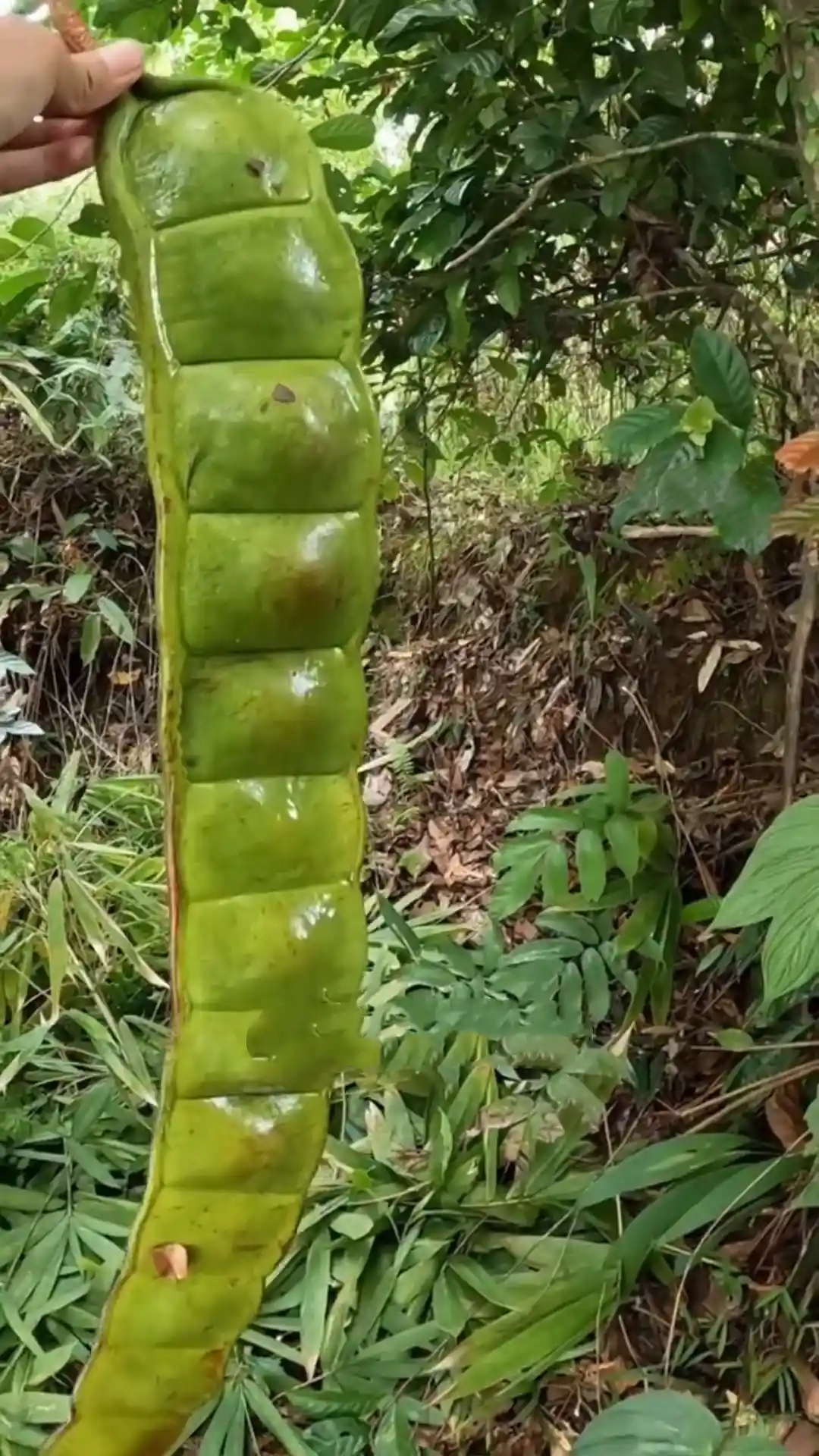
Some are famous for floating. Entada gigas is commonly known as the sea bean or sea heart. It is known for large seed pods, and its seeds can be buoyant enough to drift long distances through water.
Some seem to jump. Mexican jumping beans are not really beans in the everyday sense. They are seed pods inhabited by moth larvae. When the larva moves inside, the pod can appear to jump.
Some even explode. Hura crepitans, also known as the sandbox tree or dynamite tree, has fruit capsules that can burst when ripe and launch seeds outward.
These examples are not presented as the material source for Poddolls. They are part of the broader story of why seed pods and plant shells can feel so fascinating. They are containers, travelers, tiny mechanisms, and natural objects with strange lives of their own.
From Living Pod to Natural Shell
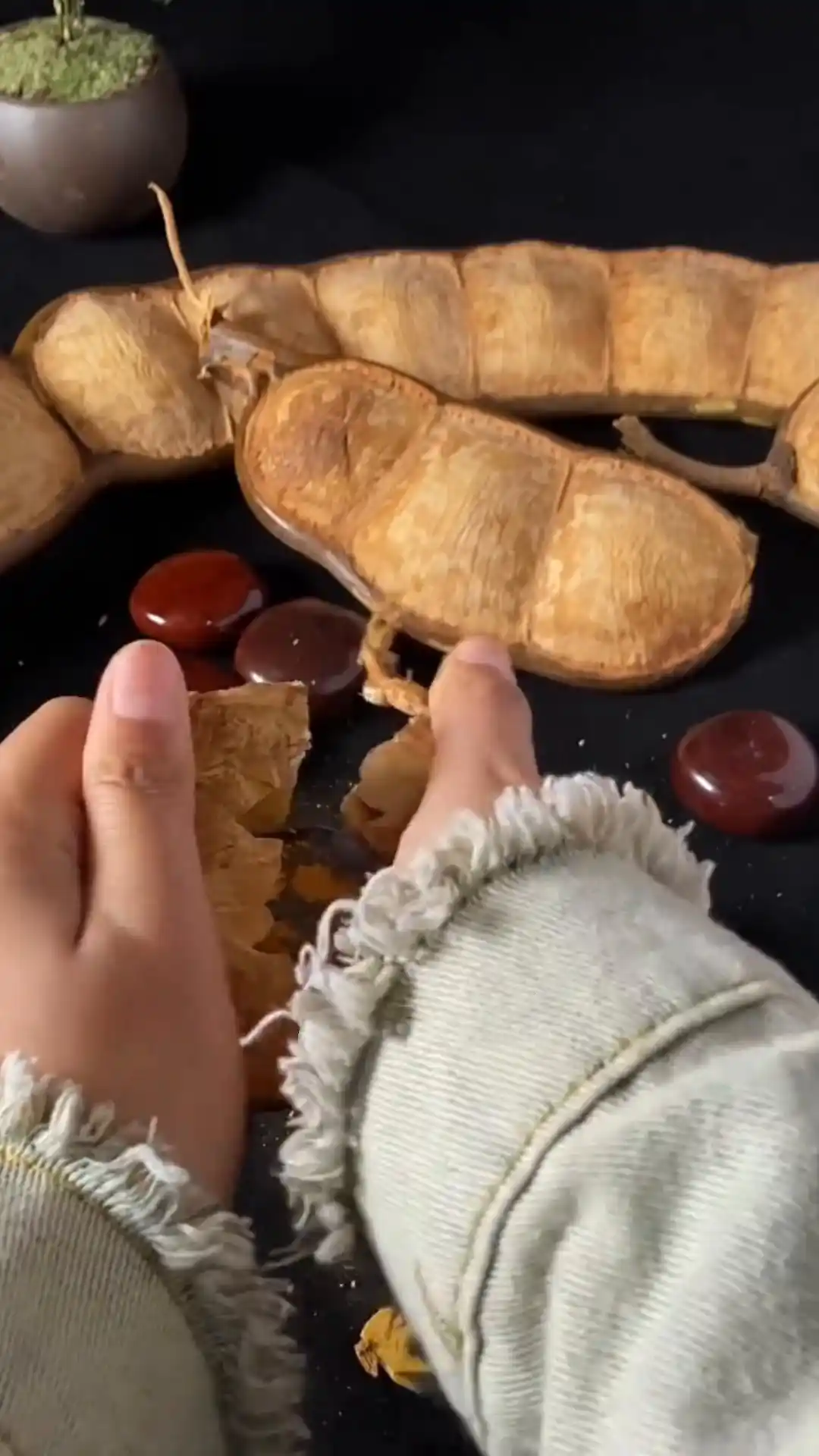
As a pod matures and dries, it starts to feel less like a fresh plant part and more like a natural vessel.
The color changes. The surface becomes firmer. The texture becomes easier to notice. A green pod may turn brown, glossy, rough, woody, or shell-like depending on the plant. The pale young seed inside may also change as it matures, becoming harder, darker, and more object-like.
This transformation is one of the reasons natural pod material can feel so expressive. The living plant structure becomes something closer to a natural object people might pick up, examine, collect, or use as a material.
This does not mean every dried pod should become a craft object. Some seeds and pods from the plant world require expert knowledge and should not be prepared, processed, or handled casually. Here, the point is not to recommend using a specific wild plant. It is simply to show why pod shells can carry visual interest before a maker touches them.
Some Pods Come from Larger Plant Worlds
Some pod-producing plants are not small garden plants.
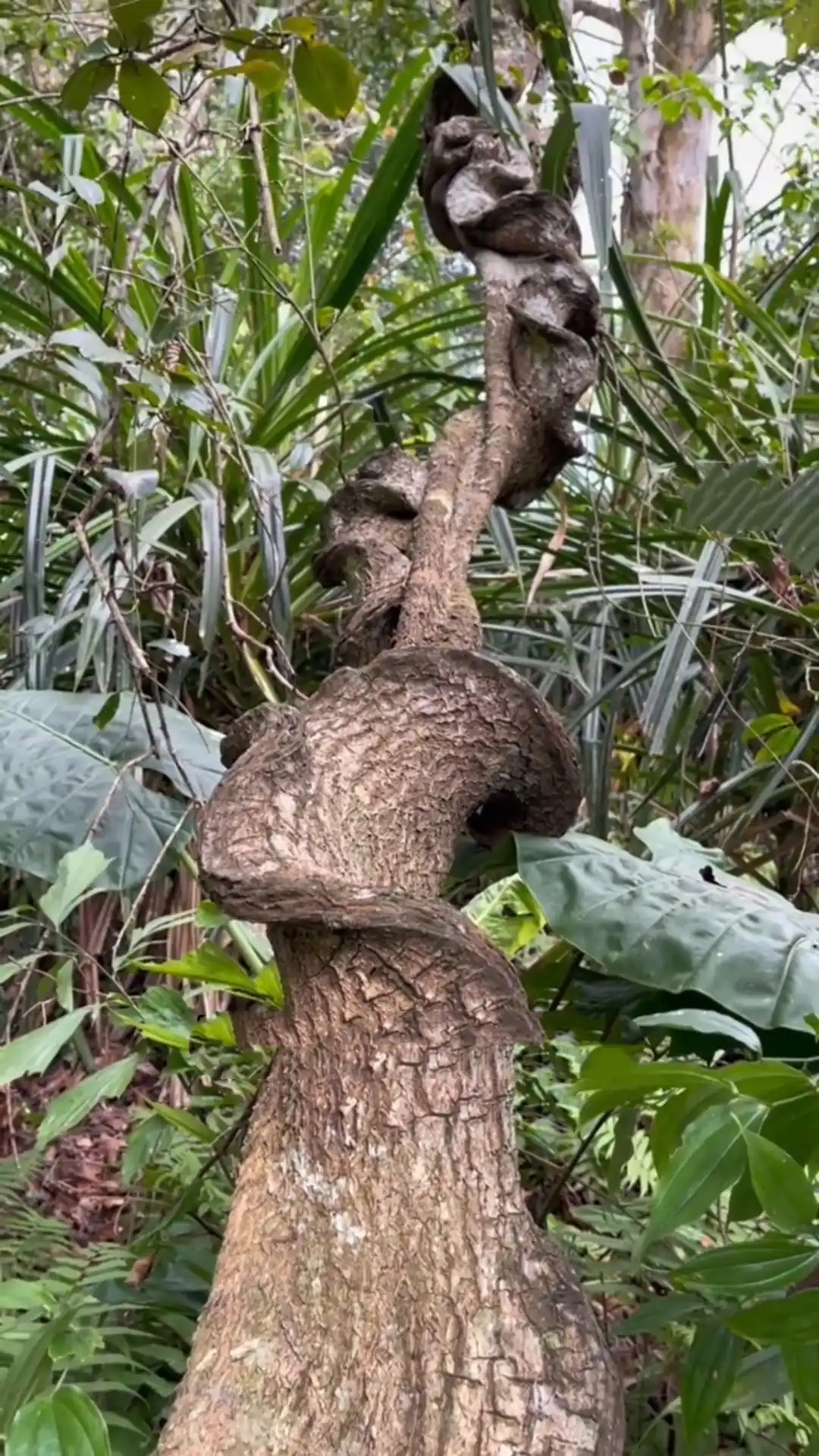
They may grow as woody vines, twisting upward through trees and forming dramatic natural shapes. Some large vines can coil and turn like rope, stretching through trees and over forest spaces before producing pods that feel oversized compared with ordinary garden seeds.
This matters for the way people see natural materials. A shell is not just a shell. It may be the remaining form of a much larger plant body, a climbing vine, a forest plant, or a structure shaped by years of growth. The genus Entada is one example of a larger plant world connected with dramatic pods.
For a handmade studio, that sense of origin matters. Natural curves and textures can suggest character before any decoration is added.
Natural plant forms often look as though they already have motion. A twisted vine can look like rope, muscle, or sculpture. A pod can look like a boat, a pouch, a mask, or a tiny body. Makers notice those shapes.
When Seeds Become Beads, Charms, and Small Objects
People have not only studied seeds and plant shells. They have worn them, strung them, carried them, and turned them into small objects with personal meaning.
Job's tears, for example, has hard bead-like structures that have been used for beads, rosaries, necklaces, and decorative objects. This does not make Poddolls the same as Job’s tears crafts. It simply shows that plant materials have long invited human attention.
A seed can be a plant structure. It can also become a bead. A husk can dry and become a doll. A piece of wood can become a small figure. A natural shell can become a tiny character.
That shift from plant material to personal object is where Poddolls begins to make sense.
Plant Materials Have Also Become Dolls
Across cultures, people have shaped natural materials into human-like or character-like forms. Corn husk dolls are made from dried corn husks and are associated with Native American craft traditions. Corn dollies are a form of European straw work connected with harvest customs. Kokeshi are traditional Japanese wooden dolls from northeastern Japan.
Poddolls are different from these traditions. They do not claim to come from them, copy them, or replace them.
But they share the same human impulse: seeing a natural material and giving it character.
That impulse is simple and old. A husk becomes a figure. Straw becomes a small form. Wood becomes a doll. A seed pod shell becomes a tiny handmade character.
So Where Do Poddolls Come From?
Poddolls do not claim to be an ancient folk tradition.
They are a modern handmade seed pod doll studio practice created around the natural shape of seed pod shells. The origin of a Poddoll is not a factory mold. It begins with the curve, size, texture, opening, and balance of a natural seed pod shell.
At Poddolls, the shell is not hidden as if it were an ordinary base. It remains part of the character. The texture, surface, and natural form help decide what the final piece can become.
Some shells feel quiet and rounded. Some feel playful. Some already look as though they are leaning, listening, hiding, or carrying something.
This is why a Poddoll does not begin with the question, “How do we make every piece look identical?” It begins with a different question: “What does this shell already suggest?”
To learn more about the material side of Poddolls, see What Are Pod Dolls Made Of? and About Poddolls.
From Natural Pod Shell to Finished Poddoll
A natural shell does not become a finished Poddoll all at once.
The process begins with selection. The shell is checked for shape, curve, opening, texture, balance, and overall feeling. Then the character direction is decided. Small details are added: a face, fabric, hair, accessories, color choices, and finishing touches.
The goal is not to cover the material until it disappears. The goal is to let the natural form guide the handmade character.
A finished Poddoll can be ready to display or give as a gift. A DIY Pod Doll Kit gives the maker a more hands-on way to take part in the same idea: turning a natural seed pod shell into a small character.
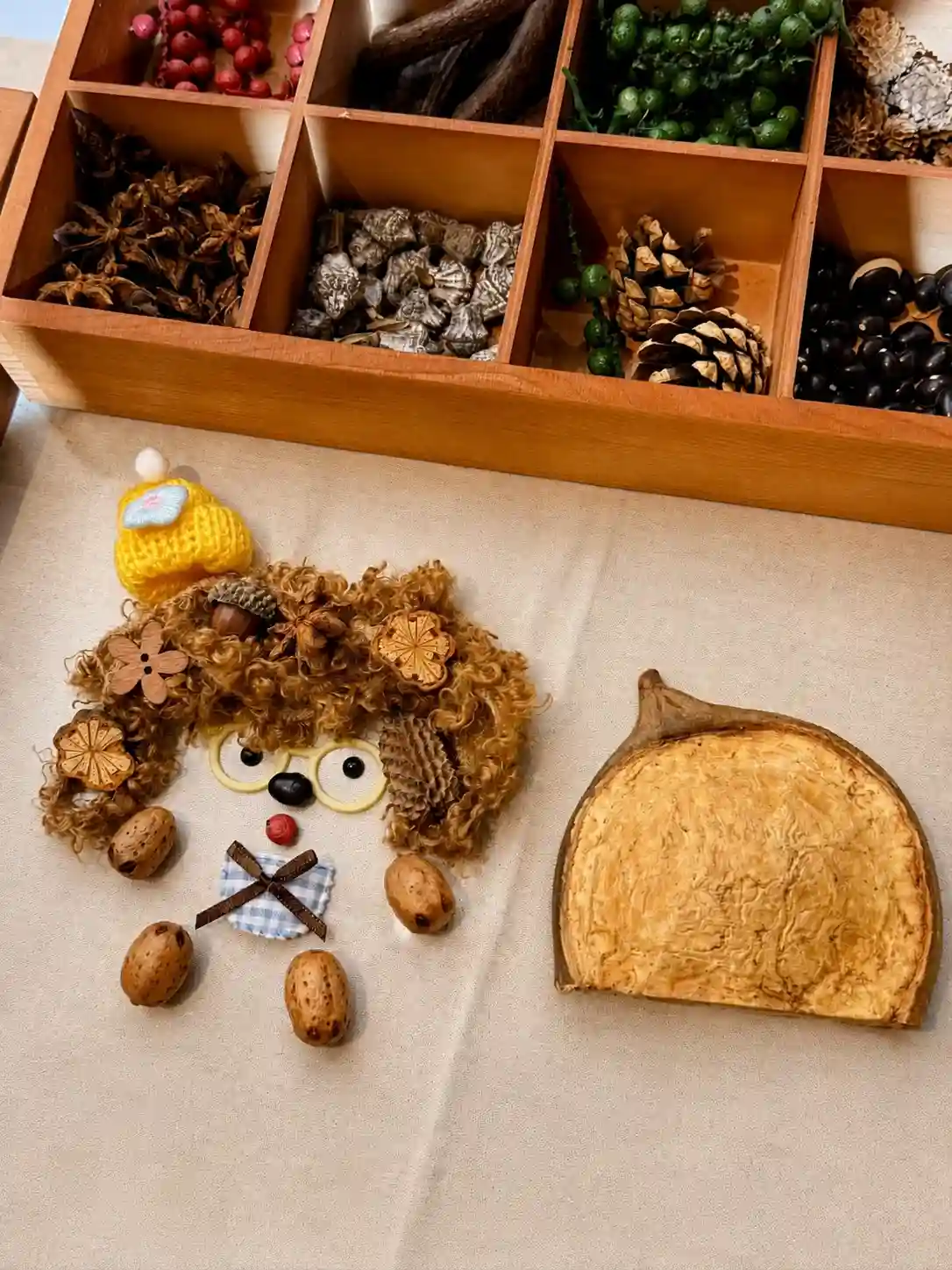
For the full studio process, see How Pod Dolls Are Made. If you are deciding between a finished doll and a kit, see Finished Pod Doll vs DIY Kit and What Is Included in a DIY Pod Doll Kit?.
Why Every Poddoll Looks a Little Different
Factory-made objects usually try to look identical.
Poddolls begin from the opposite direction. Every natural seed pod shell is a little different. One shell may be wider. Another may curve more strongly. One opening may feel like a mouth. Another may feel like a doorway, a hood, or a small shelter.
These differences are not mistakes. They are part of the material.
The handmade process follows the shell instead of forcing every shell into the same role. That is why each Poddoll can feel like a small discovered character rather than a copied figure.
For gift buyers, this difference matters. A handmade object can feel more personal when the material, shape, and details make it slightly unlike anything else.
You can read more about this idea in Handmade vs Mass-Produced Gifts and What Is a Handmade Figurine?.
Why Plant Lovers and Tiny Collectible Fans May Notice Poddolls
Poddolls are not plants, but they begin with plant material.
That makes them especially interesting for people who enjoy natural textures, plant-inspired decor, tiny characters, handmade collectibles, or small objects with a story. A Poddoll does not need to be large to feel memorable. Its appeal often comes from the smallness of the object and the strangeness of its beginning.
For a plant lover, a Poddoll can feel different from a plant-themed print or a mass-produced decoration because the shell itself comes from a natural plant form.
For a tiny collectible fan, the character matters. The face, pose, accessories, and shell shape create a small world that can sit on a shelf, desk, plant corner, or reading nook.
For a gift buyer, the story makes it easier to explain why the object was chosen.
If you are choosing for someone who loves plants, see Plant Lover Gift That Is Not a Plant. For gift ideas, see Is a Pod Doll a Good Gift?. For display ideas, see How to Style a Small Handmade Collectible on a Shelf.
Maker Notes: What We Notice in the Shell
At Poddolls, we do not treat the seed pod shell as a hidden base.
It is the starting point of the character.
We look at the curve, size, opening, texture, and balance of each shell before deciding what kind of small figure it can become. Some shells feel quiet and round. Some feel playful. Some look like they are leaning, hiding, listening, or carrying something.
The character is not forced onto the shell. It slowly comes from the shell.
That is why we do not want every Poddoll to look exactly the same. If the natural material begins differently, the finished character should be allowed to keep a little of that difference.
A small handmade character feels more alive when it still remembers the shape it came from.
A Small Character That Started as a Plant Form
A seed pod begins with a plant.
It may hold a seed. It may dry into a shell. It may travel, split, change color, or take on a shape that makes people stop and look closer. In human hands, plant materials have become beads, charms, dolls, straw figures, wooden dolls, and other small objects of meaning.
Poddolls are not an ancient folk tradition. They are a modern handmade studio practice.
But they belong to a familiar human habit: seeing something in nature and giving it character.
A finished Poddoll may end up on a shelf, desk, plant corner, or inside a gift box. Its story, however, begins much earlier, with a natural shell that already had a shape of its own.
Explore handmade characters made from natural seed pod shells
Browse finished Poddolls and DIY Pod Doll Kits made from natural seed pod shells.
Frequently Asked Questions
What is a seed pod?
A seed pod is a natural plant structure connected to holding, protecting, or dispersing seeds. Different plants form pods and seed structures in different shapes, sizes, and textures.
Are Poddolls made from real seed pod shells?
Yes. Poddolls are handmade seed pod doll characters made from natural seed pod shells, then finished with small character details, fabric, accessories, and styling.
Are the seed pod images in this article the exact material used in every Poddoll?
No. Some seed pod images in this article are natural reference images used to explain plant forms, seed structures, and pod stories. They do not claim that every Poddoll is made from those exact species.
Are Poddolls based on an ancient folk tradition?
No. Poddolls are a modern handmade seed pod doll studio practice. They are not presented as an ancient folk tradition. Their connection to history is broader: people across cultures have long used natural plant materials to make beads, dolls, charms, and small keepsakes.
Why does each Poddoll look different?
Each Poddoll begins with a natural seed pod shell, and each shell has its own shape, curve, texture, opening, and size. The handmade process follows these natural differences, so finished Poddolls are not meant to look perfectly identical.
How is a seed pod shell turned into a finished Poddoll?
The process begins by selecting and observing a natural seed pod shell, then deciding the character direction, adding face details, fabric, hair, accessories, finishing, checking, and preparing the piece as a finished doll or DIY kit.
Can I make a Poddoll myself?
Yes. Poddolls are offered as finished dolls and DIY kits. A finished doll is ready to display or gift, while a DIY kit is better for someone who enjoys making a small character by hand.
About Poddolls
Poddolls is a handmade seed pod doll studio that creates small collectible characters from natural seed pod shells, offered as finished dolls and DIY kits.
Each Poddoll begins with the natural shape of a seed pod shell, then becomes a tiny handmade character through careful details, styling, and finishing. Poddolls are made for people who enjoy small collectibles, nature-inspired decor, handmade gifts, and creative DIY moments.
Sources and Further Reading
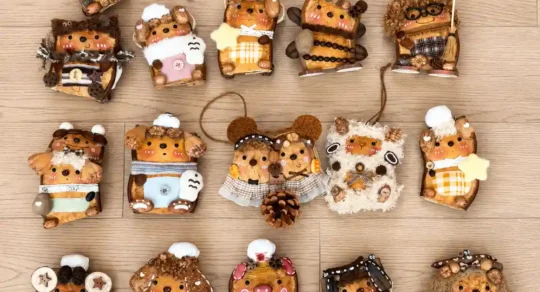
One Shelf Spot. 23 Poddolls. Who Gets It?
PODDOLLS STUDIO NOTESOne Shelf Spot. 23 Poddolls. Who Gets It?Pick one from the group photo before the close-ups make the decision harder.For this photo …
-
- Post Date: 21 Jul, 2026
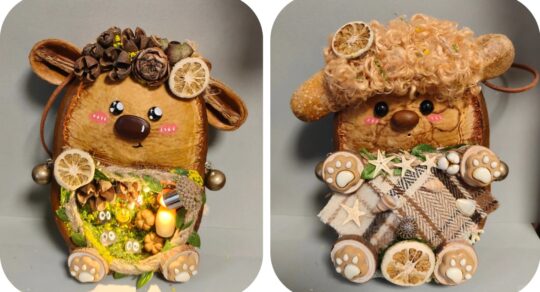
One Poddoll, Two Completely Different Sides
PODDOLLS STUDIO NOTES One Poddoll, Two Completely Different Sides …
-
- Post Date: 20 Jul, 2026
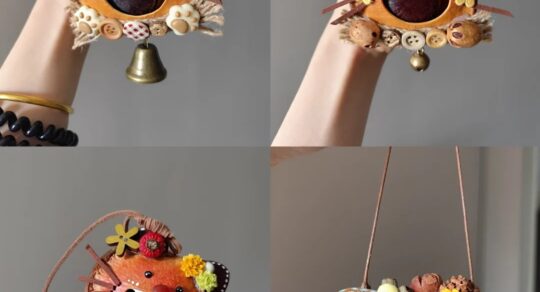
How One Open-Mouth Idea Became Cats, Pigs, and Something Else
PODDOLLS STUDIO NOTES How One Open-Mouth Idea Became Cats, Pigs, and Something Else Put these photos side by side and one detail keeps returning: a large, …
-
- Post Date: 19 Jul, 2026
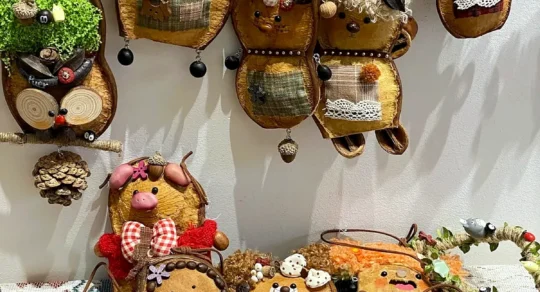
Before the Style Settled: Early Poddoll Experiments
PODDOLLS STUDIO ARCHIVEBefore the Style Settled: Early Poddoll ExperimentsCat-style hangers, animal faces, human-like outfits, and a few character ideas that never fit one category.These …
-
- Post Date: 18 Jul, 2026
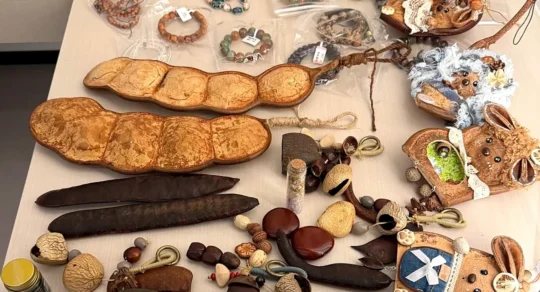
Inside the Poddolls Worktable: How a Seed Pod Becomes a Character
PODDOLLS STUDIO NOTES Inside the Poddolls Worktable: How a Seed Pod Becomes a Character …
-
- Post Date: 17 Jul, 2026
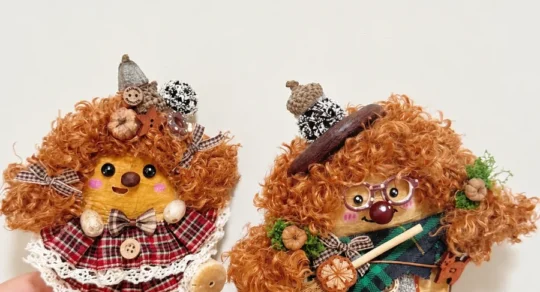
The Seed Pod Was Already Weird. We Just Gave It Hair.
PODDOLLS STUDIO NOTESThe Seed Pod Was Already Weird. We Just Gave It Hair.Seed pod character design starts on the worktable, where an undecorated shell …
-
- Post Date: 16 Jul, 2026